I Really Don’t Care How You Feel About Red Cups

In 1997, Starbucks introduced a special new cup to hold its beverages during the holiday season.

“The theme for holiday was “Give in to the Rhythm,” and the red festive cups punctuated the jewel-toned palate of deep reds, greens, blues and yellows and a jazzy Santa with a profile that evoked the Starbucks siren,” according to the company’s website.

starbucks-red-cups-2

Ever since then, the company has continued the tradition of the red cup, with whimsical designs carrying along holiday themes like snowflakes, penguins, and like last year’s cup, broad art strokes suggesting trees, stars, and snowflakes.  This year, the company dropped the graphic altogether and opted for just a red cup.  No graphics, no penguins, no Santa Claus.

And, for some reason, this has made some Christians around the world decide that Starbucks hates Christmas.

A company that has never put Baby Jesus on a cup suddenly hates Christmas because they don’t put Santa on them anymore?  A company that has never ever attempted to direct anyone to Bethlehem suddenly hates Christmas because there are no graphic representations of snowflakes?

I really don’t get it.

Some of the very people who are angry at Starbucks for leaving Santa off a cup are the same people that bristle because there’s too much Santa Claus and not enough Jesus, the “reason for the season.”  Years ago, I wrote that “I don’t really care how you feel about Santa Claus,” because people were missing the point.

This year, people are not only missing the point, they are driving over it with a Mac truck.

starbucks-2012-christmas-drinks_largeJesus is the reason for the season.  I agree with that.

But none of the traditions or trappings of Christmas have anything to do with Jesus.  Christmas trees were not invented by Martin Luther, but by a bunch of guys wearing fur hats in Latvia.  And when they were done with the tree, they burned it down.  Jesus wasn’t born in the deep midwinter, but most likely closer to springtime, and it definitely never snowed in Bethlehem.  “The 12 Days of Christmas” actually just celebrates a bunch of dead saints.  And, just for the record, the wise men never showed up at the manger.  (That’s actually in the Bible.)

o-STARBUCKS-RED-CUPS-2015-facebookJust like the red cups, none of these traditions have anything to do with Jesus.

And when we yell about things like red cups, we don’t have much to do with Jesus, either.

When He was born, the angels said it was good news of great joy.  There’s not much joy on the faces of people busy yelling about what they don’t like.  There’s not a lot of good news being shared when you get mad at baristas who have nothing to do with a corporate policy.  And every time it happens, people who should be drawing closer to Jesus  are pushed farther and farther away by His followers–doing the opposite of what Jesus himself said He came to do: “draw all men to me.”

God didn’t wake up at the start of November, shocked and surprised: “WHAT?!?!  There’s no snowflakes on the red cups?  Howard Schultz must hate Christmas!”

God didn’t see a red cup and call for a boycott or social media movement to shame a company that isn’t Christian and doesn’t share God’s agenda.  He’s not impressed when His followers say their name is “Merry Christmas” so it gets written on a cup, and He certainly doesn’t light up heaven with fireworks every time someone Instagrams or tweets with a special hashtag.

4

What’s God’s agenda?  I don’t know exactly what Jesus would say it is, but I would guess it might be something like this: “Red cups?  That’s what we’re giving all our attention to?  Why are you focused on that?  Shine the light where it’s supposed to be shining.  Show them who I AM.”

So, no.  I don’t really care how you feel about a red cup.

While you shine your light on that, I think I’ll shine my light where the star of Christmas first shone: on Jesus.  He’s bigger and better and greater than any holiday tradition.  And I’ll do my best to do what He did: bring His light into a dark world and offer them hope and joy and peace.

That’s a whole lot better than a $5 cup of coffee.  Even in a red cup.

ABC’s “The Muppets” is More Like the Original than You May Remember

The Muppets

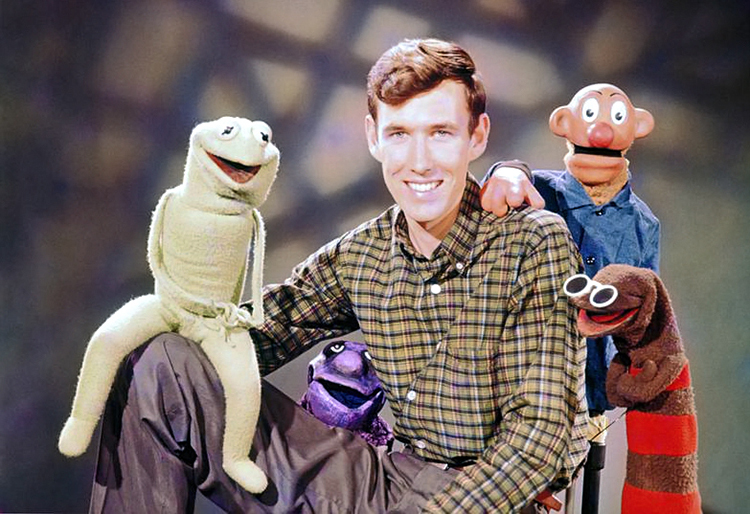
Last week, ABC premiered a new show which was the highest-rated new comedy of the year.  Called The Muppets, it was a brand-new take on the classic characters created in the 1970’s by Jim Henson, who got his start in creating puppet-based sketches for adult television, broke into children’s entertainment with Sesame Street and went on to create such grown up fantasies as The Dark Crystal and Labyrinth.

The show was a pretty big success for launching a new series, had a huge amount of buzz going into it, and was promptly boycotted by certain family groups for being inappropriate, taking beloved children’s characters and turn them into adults with more grown up humor and a few bad words.

What’s intersting is this: Jim Henson never wanted The Muppets to be children’s characters.  While he loved what he had created with Sesame Street, Kermit and the gang created for the original The Muppet Show were intended to be for adults.  That’s where they had started (Henson’s first show, Sam and Friends, was not for kids, even though it featured puppets), had grown (with appearances on The Jimmy Dean Show and Today), and finally kicked into what he was hoping for: grown up humor as part of the inaugural season of Saturday Night Live.

SamandFriends

As Henson himself said in 1983: “I want Muppet stories to address things my friends and I are interested in. I never saw them as kiddie characters.”  When the stint on Saturday Night Live didn’t go well, it was Lew Grade from England who encouraged him to take his characters and create an entirely new show.  The first pilot of what would go on to be called The Muppet Show was actually titled “Sex and Violence.”

For those who think Jim Henson wouldn’t have liked the new “The Muppets,” because of its more mature humor and themes, his daughter Lisa shares her thoughts in a recent article in Variety.

“The fact that the TV show is different in tone is consistent in what we’ve always done. We’ve always played the Muppets different tonally from one production to the next,” she says.  “I feel like Bill Prady is picking up literally where my father left off,” Henson says of The Muppets creator, who began his writing career for Henson.  “For insiders, it’s particularly interesting.”

The current show was created by Bill Prady, a man who worked with Jim Henson beginning in the 1980’s–it’s his script that millions of people have watched at Disneyland and Walt Disney World’s “MuppetVision 3D,” and who wrote and produced many episodes of Fraggle Rock in the 1980’s and wrote The Muppets Remember Jim Henson, a moving tribute to their creator after his untimely and sudden death in 1990.

Muppet Christmas Carol

The Muppet characters were softened a lot as his heirs tried to figure out what to do with them in the wake of their genius-creator’s passing.  Brian Henson, Jim’s son, began the softening of the edge of his father’s creations.  After the failure of a new TV show (Muppets Tonight, which nobody wants to talk about), the emphasis went to new films.  With The Muppet Christmas Carol, where Kermit played the mild-mannered Bob Cratchit and Miss Piggy was relegated to a supporting role as a snack-hungry Emily Cratchit, the toning-down of the Muppet was in full view.  The next films, Muppet Treasure Island and Muppets from Space, were disappointments and further pushed Henson’s not “kiddie characters” becoming just that.

This eventually lead to the finalization of something Henson had been working on before he died: the sale of The Muppets to the Walt Disney Company.  Once Disney bought The Muppets, they also had no idea what to do with the characters.  They continued making adaptations of classic stories (The Muppet Wizard of Oz), but it wasn’t until Jason Segal’s 2011 film, The Muppets, which reinvented the Muppets while paying homage to the past (and featured a depressed Kermit, the Muppet Chickens singing a song by Cee-Lo which has a title I can’t post here), that they began to see the power of the characters.  A follow up film was not as successful, and when Bill Prady approached The Muppet Studios with his idea of a show like The Office meets 30 Rock, it caught on.

For those who think the some of the jokes in The Muppets were not up to the usual family friendly kind (even the ones that soared over the heads of little kids, much like some of the jokes on the original show did), it’s important to remember that since the beginning, the Muppets have always had their edge.  When appearing on Cher’s show in 1975, Kermit asked her if she would like to “fool around.”

311-14When Raquel Welch appeared on The Muppet Show she, came on to Fozzie Bear, telling him he is “sexational.”  In 1986, while appearing on the premiere of Can We Talk with Joan Rivers, Rivers asked Kermit to rate himself in bed on a scale of 1 to 10.  Kermit (performed by Jim Henson) responded with, “Are we talking about sex?”  Frank Oz, the brilliant performer behind Miss Piggy, Fozzie, Animal, and so many others, described Animal in five words: “Sex, sleep, food, drums, and pain.  That’s Animal’s character.”  On The Jim Henson Hour in 1989, Kermit mentions what’s coming next, and to get more ratings, adds “and maybe some sex.”

The Muppet Wikia is full of well-researched information on what actually happened on The Muppet Show and Jim Henson’s original intentions with his characters.  There are examples of poop jokes, times the Muppets have used bad words, and more.  And less anyone forget, one episode with Alice Cooper had as a major plotline the attempt by Alice to get everyone in the Muppets to sign their soul over to the devil (my parents didn’t let me watch that episode).

The Muppets of the 1990’s were not the Muppets as originally created by Jim Henson.  Just watching the original show as an adult, one can see many examples of more grown-up themes than what I remembered as a child.  It was created to be different from Sesame Street, with characters that reflected the comedic sense and humor of Jim Henson and his collaborators.  As to The Muppets on ABC, it may take time for some audiences to realize that this is a side of Kermit, Fozzie, and even Miss Piggy that they may not be familiar with–but it’s one that Lisa Henson says makes sense.

“Playing with the idea that the puppets are real celebrities, in a sense, Bill Prady’s whole show is taking that idea — they are real, they live in our world, they are celebrities, they have their own lives — and taking that to its natural extensions,” she says in the Variety article.

“We always thought it would be a very good idea to do a modern show-within-a-show. The original The Muppet Show was a show-within-a-show as well. It’s also a great format for bringing on celebrities in a very natural way. A Muppets show in primetime has to have a good model for celebrities. I think this is a more modern format where a lot of celebrities can participate in being on the Muppets, but they don’t have to be as silly as they had to be on the original Muppet Show.”

The Muppets

I’m a fan of the The Muppets and look forward to where Prady and his team of collaborators take the show.  Word is the next episode is even better than the premiere (Josh Groban guest stars, and he’s actually a pretty funny guy–remember him as Andy’s brother on The Office?–in addition to being a fantastic vocalist).  And I’m willing to give it a chance to grow.  Is it a little edgier than recent fare?  Yep.  And I agree, The Muppets shouldn’t be watched by the same audience that watches Sesame Street.  

Just because they are puppets doesn’t mean it’s a kids’ show.  Like Walt Disney before him (who wasn’t interested in making kids’ entertainment, but happened to work in a medium that people thought of as “for kids,” so his films were labelled, especially in America, as kid stuff), Jim Henson’s genius happened to find itself in a form of art that people look at and automatically think it’s for kids.  You can’t blame that on The Muppets.  From their earliest incarnation (with Rowlf on The Jimmy Dean Show wondering if he and Lassie could “get together”) to their latest (where Kermit says “Hell” and is quickly corrected by Sam the Eagle), they were never meant to be just “for kids.”

I also understand if you didn’t like it.  It’s not like The Muppet Christmas Carolor Muppet Babies.  It may be a little too focused on the adults for your taste, and that’s ok.  I’m not trying to get you to watch the show.  But it’s pretty clear from the history of the Muppets that they used to be more grown up than you may recall.  Remember, Jim Henson never intended for Kermit and the gang to live on Sesame Street.

Independence Day: Still Worth Celebrating

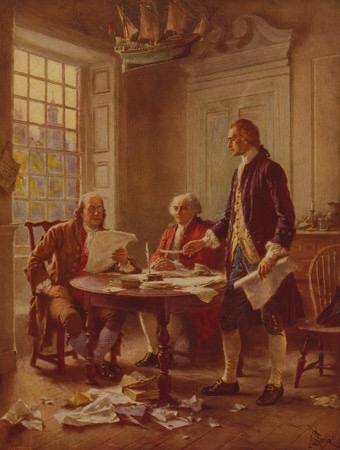
Today is “Independence Day,” and we celebrate all that it means. Thanks to the brave men and women of 1776, we enjoy a nation of unprecedented #freedom, abundance, and prosperity unlike anything in the history of the world. But, as Benjamin Franklin would famously say later, it’s our republic, “If we can keep it.”

 We can, and will keep it, if we remember to stand for the principles our founding fathers stood for, to stay strong to the ideals of “life and liberty” and the fact that we are all “endowed by our Creator with certain unalienable rights.” Life, liberty, and the pursuit of happiness are rights granted to us by God. But what we do with those rights is up to us. What we do to preserve and protect the foundations of this great nation is ours to decide.

On this Independence Day 2015 what will you do to ensure the true nature of this great day is not forgotten? Will you watch Schoolhouse Rock‘s “America Rock” and sing along with it?

Will you watch “The Patriot” and be inspired by a fictionalized account of one family’s path through the Revolution and the price they paid?

Maybe you’ll enjoy Walt Disney’s “Johnny Tremaine”or the mini-series “The Swamp Fox.”  Maybe you’ll listen to inspiring music that reminds you of the greatness of our country.

It’s more than a date. It’s one of the greatest days in history, and I hope you and your family take a moment to pause and enjoy it. While you barbecue or watch fireworks, remember the words of one of the greatest documents ever written–written in response to the birth of liberty here in the United States.

“We hold these truths to be self-evident, that all men are created equal, that they are endowed by their Creator with certain unalienable Rights, that among these are Life, Liberty and the pursuit of Happiness.”

God Bless America!

Standing Up for Your Convictions Without Changing Your Profile Pic

There’s a word that’s been used a lot in the last couple days over social media in regards to the decision by the Supreme Court to legalize gay marriage.  Don’t worry, it’s not a word that is offensive.  At least it shouldn’t be.

conviction

There’s been a lot of yelling, back and forth, about convictions.  One side is full of conviction that this is more than just a political ruling and that it will lead to religious compromise.  The other side is full of conviction that this is just a political ruling and has nothing do with religious compromise.  Wherever we fall on the side of the decision, we have our convictions about it.  Which is good.  Convictions drive us and motivate us to act.  How do we communicate those convictions, especially if you’re a Christ follower who disagrees with the decision?

The only thing this convinces anyone of is that we are wacky. And like hats.

Your profile picture on Facebook won’t convince anyone (on either side).  Liking something someone else posted, or sharing a video you really agreed with will never get someone to listen to your convictions.  Neither will long arguments via Facebook.  Bumper stickers, t-shirts, or even protest signs have never convinced anyone of anything.  So, instead of all that, I’d rather follow the example of three incredible young men.

Three men who, faced with political pressure, refused to succumb.  They stood when everyone else bowed, knowing that they could be punished for it.  When given a second opportunity to compromise their convictions, they refused and were scheduled for execution.

When asked why they wouldn’t do what everyone else was doing, they didn’t argue or try to persuade.  They didn’t use harsh words or attempt to convince the other person why they were wrong.  There was no slogan they chanted, no verse they pointed to to justify why they were right.  They politely and respectfully explained why they were taking their stand, their belief in what they were doing, and left it at that.

The three men were named Shadrach, Meshach, and Abednego.  Their names may be familiar because they were the three young men thrown into the fiery furnace for refusing to bow down to a golden statue put up by King Nebuchadnezzar.  He asked for their reasoning, which they gave.  (You can find it in Daniel 3:16-18.  It’s pretty amazing how respectful their tone is, yet how clear their convictions shine.)  Their answer made him so mad he stoked the fire seven times hotter and had them thrown in to die.  What happened next surprised everyone.

Instead of burning to death, the three young men walked around in the fire, completely unharmed, and they had a conversation with another, fourth person, who even Nebuchadnezzar said, “Looks like a god!”

Scholars differ on their feelings as to who this fourth person was, but many agree that it was most likely a pre-Incarnate encounter with Jesus Christ.  The Son of God was present Himself with the three young men, and He made Himself known and visible to the Babylonian ruler.  He promptly called them out, recognized they were clearly servants of the Most High God and even proclaimed, “There is no other God who can rescue like this!”

My point is this: standing for your convictions is a great thing to do.  God gives us our convictions for a reason, and it’s to help us choose wisely, to help guide our morality.  In short, it’s completely biblical.  But there’s nothing in the Bible that says standing for those convictions means we get to be a jerk.  Nowhere in their story do Shadrach, Meshach, or Abednego call everyone who bowed a name.  They never told the king he was going to hell for his decision, nor did they argue when the time came for them to be punished.  What I love even more is that the three men didn’t go around arguing with everyone who was bowing down, telling them why they were wrong, and why they shouldn’t bow.  They waited until they were face to face with the king and shared their convictions with honesty, forthrightness, and respect.

Yes, it didn’t go well.  They expressed themselves in a godly manner and still were thrown to their deaths.  But, in that moment, their convictions did something amazing.  They helped Nebuchadnezzar, and all of Babylon, see God.

Convictions are something both sides of the political spectrum hold deeply.  We often live or die by those convictions.  But what example do we set, how likely are we to be heard, when we scream and yell our convictions to convince someone else of their veracity?    I love the example set by three young men facing a fiery furnace.

They stood their ground and did not bow.  But because of they way they shared their convictions, they helped others see God.  I wonder, what do I want when I share my convictions?  Do I want people to see an anti-rainbow profile picture?  Or the God who says He loves them just as much as He loves me?  What’s the most important thing?  Proving our point, or pointing to Jesus?

I think I know what all four men in the fiery furnace would say.

“Inside Out” May Very Well Be Pixar’s Greatest Film

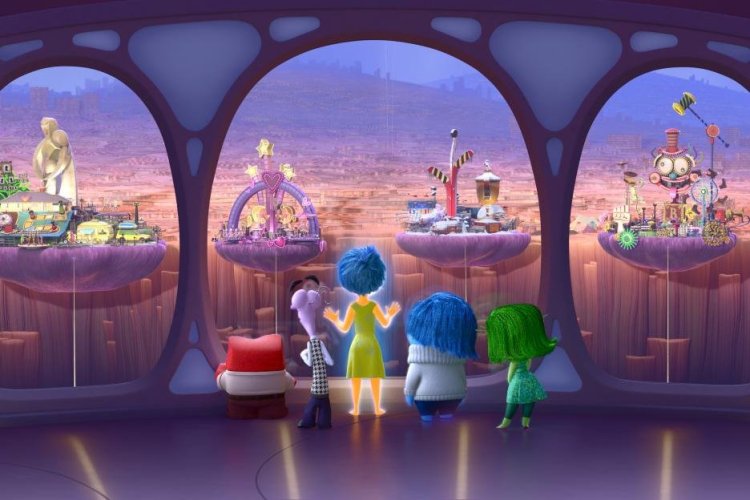
Inside-Out-IslandsWhile I love Woody and Buzz and McQueen and Mater and Sulley and Mike, they all take a back seat to the two standout heroines of Inside Out.  A film set in the mind of an eleven year old girl, Pixar’s latest is easily its most difficult, its most cerebral (literally), and its most deeply felt.  For a film dealing with emotions, Inside Out certainly doesn’t shy away from helping its audience feel them.

In simple terms, Inside Out is the story of one girl’s growing pains.  11 year old Riley is uprooted from all that is important to her in her life in small-town Minnesota: friends, her hockey team, the lake she skates on each year.  Moved across country to the weird world that is California–San Francisco, in fact–she discovers that being happy isn’t as easy she–or her parents–want it to be.  The house is old and has a dead mouse in the corner, the first day of school goes horribly wrong, and her tryout for a new hockey team just goes worse.  Pre-teen angst at its best and worst, and suddenly Riley is sullen and angry, her parents don’t know what to do, and the “happy girl” is nowhere to be found.

The story would be almost mundane if not for the fact that we watch all of this unfold through the eyes of Riley’s emotions–feelings that run the control booth in her mind.  Joy, Fear, Anger, Disgust, and Sadness all vie for their space at the console, but it is Joy who leads the way, and in truth, is the story’s main protagonist.  Always looking for a way to make things right, make it ok, and turn every sad moment into a happy one for Riley, she goes at length to push the melancholy Sadness as far away from the controls as she can, setting in motion the events that cause Riley to go from a pretty even-keeled kid to the girl who yells at her dad and steals from her mom.

In the opening moments, the film helps us understand that Riley’s personality is represented through a series of themed islands, like Honesty, Family, Friendship, and my favorite, Goofball.  Core memories power these islands and help shape Riley into who she is.  As various memories form for Riley, they arrive in the form of glowing orbs, colored by a particular shade of emotion.  As the days in San Francisco wear on, there are less and less of the yellow Joy orbs and more and more of the other ones, especially Sadness.  When the day at school goes horribly wrong, Joy and Sadness are sucked out of the control room and into the recesses of Riley’s mind, leaving the other three to do their best to run Riley’s emotions, with disastrous results.

From here on, Inside Out crosscuts between Riley’s inner and outer worlds as Joy and Sadness go on a road trip through Riley’s cerebral wonderland.  Here they discover the train of thought that runs crazily while Riley is awake, Imagination Land (where they discover an imaginary boyfriend who would “die for Riley” and is from Canada taking the place of the Stuffed Animal Hall of Fame and other childhood favorites), her subconscious (where all the scary memories live, and yes, I am clearly not the only one in the world terrified of clowns), her ability to process and deal with abstract thought, and, in a hilarious scene, the studio that creates her nightly dreams.

1920

The production credits are all top notch.  The voice cast is excellent, the art direction is impeccable.  And the music by studio favorite Michael Giacchino (he created the stellar scores for Up and Ratatouille) is stunning in its simplicity, but constantly growing and changing, just like Riley.  It’s easily his best work since Up, and the main theme, “Bundle of Joy,” will be as ubiquitous to baby videos as his “Married Life” (from Up) was to weddings.  The film is dazzling when it needs to be, but it’s not jaw-dropping like it was when we first saw Toy Story or marveled at Finding Nemo.  The characters are simply drawn, although I loved the way the emotions weren’t completely solid, something I can’t truly describe, but you’ll understand when you see the film. The film looks great in that way we expect from the studio, but it’s not what it looks like that makes it great.  It’s the story.  What Pixar does with Inside Out is every bit as incredible as what it did with Wall*E or Up, and even more so.

Inside Out is the brainchild of Pete Docter, who created Up, one of the most emotionally resonant Pixar films, which explained more about marriage in 10 minutes than most films do in hours.  Up was ostensibly a grand adventure started by Carl Frederickson to fulfill a promise to his wife, Ellie–until the audience realized it’s actually about the incredibly difficult task of letting go.  And that’s one of Inside Out‘s big ideas, too, letting go of childhood and growing up–one that Docter presents in a beautiful, powerful way that left me wiping tears away several times throughout.  One of the greatest gifts to Inside Out is Richard Kind’s performance as Bing Bong, a forgotten imaginary friend who has spent his days scavenging memories on the dusty shelves of Riley’s memory bank.  A tragicomic figure, he’s part elephant, part cat, part dolphin, and all sorts of feels.  As he struggles to deal with Riley’s forgetting of him, we get the first glimpse of what the film is really all about.

INSIDE OUT

Joy (voiced to perfection Amy Poheler) tries to cheer Bing Bong up, to make him laugh and make him see that everything will be ok.  This doesn’t work.  It doesn’t change his thoughts or emotions.  It’s only when Sadness (beautifully voiced by Phyllis Smith) sits down and talks to him, listens to him, and helps him share what is hurting that he is able to move on with the adventure.  And that’s the heart of Inside Out: in this world where we want our kids to be happy, perhaps what they need, what we as parents must allow them to experience, is not just joy, but melancholy.  It’s a radical idea for an animated film designed to make people laugh and eventually sell plush at Disney Store: feeling melancholy is not just healthy, but entirely necessary.  In other words, as Joy discovers, Sadness is as important as happiness.  Which is good, because Inside Out is full of those moments where viewers, especially parents, will (as my teenage daughter says) “feel all the feels.”

It’s the power of these emotions, these memories, that pushes Inside Out ahead of other worthy Pixar films like Toy Story or Up.     It’s emotionally poignant without ever becoming cloying or sappy.  The most emotional moments–there are plenty, and I confess that I ugly cried at one point–are followed by a great comic moment, a recurring joke (“TripleDent Gum will make you smile!”), or some other truly hilarious scene.  The film’s pacing is spot on, never staying too long in the more melancholy moments, but never zipping past them, either.  We feel sad, several times throughout the film, but we come away with the realization that it’s ok.  We need Joy, but we need Sadness, too.

As a parent, it’s helped me think differently when my children are going through emotions, causing me to think twice about what may be at their control board, realizing that forcing them to “show me happy” is doing them a disservice and keeping them growing the way they need to.  It’s the reason this film has resonated so deeply with me, far beyond the wonder of talking toys, monsters, or a world of cars.  This is a film that, in spite of it’s marketing as a big family fun summertime adventure, is a deeply personal reflection on what it means to grow up, to experience memory, and help parents remember exactly what it felt like to be a kid growing up.  That’s a lot for an animated film to pull off.  Inside Out does it, beautifully.  Which is why it may very well be Pixar’s greatest achievement.

Sorry, Woody.  (But remember, it’s okay to be sad.)

“Birdman” Beating “Sniper” Wasn’t Surprising, And Not for the Reasons You May Think

American Sniper

As much as I wanted American Sniper to win Best Picture last night, I knew it wouldn’t. And this has nothing to do with “liberal Hollywood.” If you know the Oscar game and have studied its history for 87 years, this is just another example of Hollywood getting it wrong because it’s swept up in whatever film has the momentum going into the awards.

Birdman has been winning accolades since it opened the Venice Film Festival a year ago. From the crazy cinematography that made it appear like it was all done in one long tracking shot to its story of an actor looking for redemption, to the personal story of Michael Keaton making an amazing comeback film, it had the momentum going into the Oscars that no other film did. It had nearly a YEAR of “this is a Best Picture” talk compared to only TWO weeks in 2014 for American Sniper (to qualify for the 2014 Oscars, it played in New York and LA for two weeks in December, long after the major awards buildup had begun).

Birdman Poster

And when it comes down to it, it was a movie about actors trying to overcome the stigma of being a film superhero. When the biggest movies in Hollywood right now are mostly about superheroes, I’m sure many in the industry saw it as their “mea culpa,” that they really do want to make “art.”

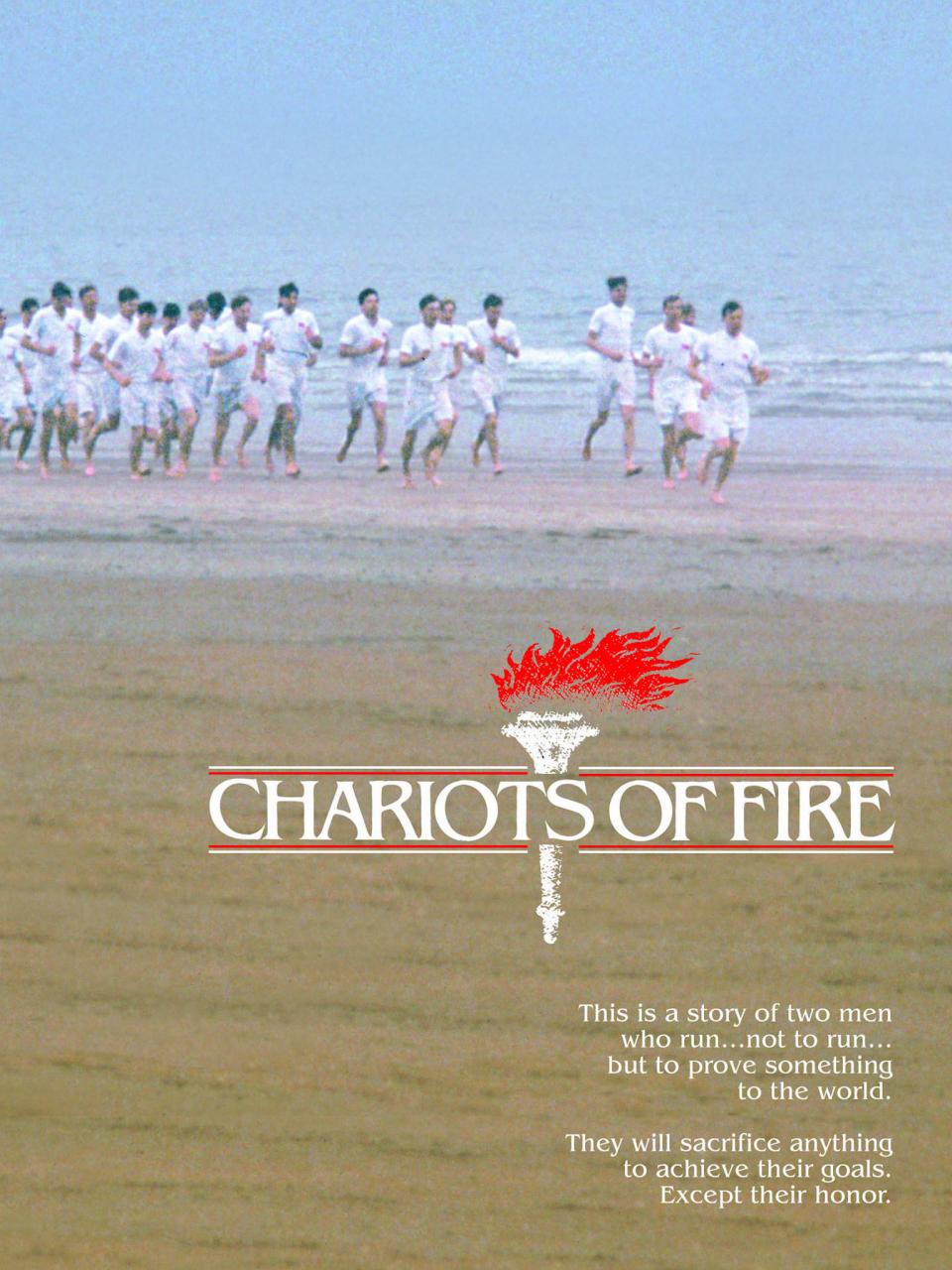
Chariots of Fire

The Oscars are the biggest game in town because they DO get it wrong. Jimmy Stewart should have won his Oscar for Mr. Smith Goes to Washington, not for The Philadelphia StorySaving Private Ryan should never have lost to Shakespeare in Love. The Social Network was the favorite going in to Oscar night but was swept away by The King’s Speech. Shrek beat Monsters, Inc. for the first Best Animated Feature award. Chariots of Fire beat Raiders of the Lost Ark for crying out loud.

Raiders of the Lost Ark

American Sniper was, in the words of one Hollywood insider, “the winner of the year, whether or not it gets a single statuette, because for all of us in the movie industry — I don’t care what your politics are — it is literally the answer to a prayer for a midrange budget movie directed by an 84-year-old guy [Clint Eastwood] to do this kind of business. It shows that a movie can galvanize America and shows that people will go if you put something out that they want to see.”

Loser.

This is the same industry that didn’t give any Oscars to Steve Spielberg’s first dramatic film, The Color Purple (which is still one of his greatest films, in spite of its flaws) because it had a hard time accepting Spielberg as a “serious director.”  Out of Africa, which was a beautiful but completely morally corrupt film, swept the Oscars, leaving a powerful film adaptation of Alice Walker’s novel empty handed.  Whoopi Goldberg should have won an Oscar that night (she’d have to wait for her “funny” role in Ghost.  Imagine what that Oscar could have done for her career, not to mention African American actresses.  But no, they had to give it to Geraldine Paige, because they forgot to give it to her years earlier and she was old so it was one of those “lifetime achievement” awards.)  Oprah Winfrey and Quincy Jones and a bunch of other people associated with The Color Purple should have won Oscars.  But Out of Africa was so pretty.  And it wasn’t directed by Steven Spielberg, who would have to wait until Schindler’s List to get his Best Director Oscar.

The Oscars consider the following films to be losers: The Wizard of Oz, Mr. Smith Goes to Washington, It’s a Wonderful Life, Citizen Kane, Singin’ in the Rain, The Awful Truth, Raging Bull, Quiz Show, Dead Poets Society, Witness, Empire of the Sun, JFK, Toy Story 3, Up, Beauty and the Beast, The Philadelphia Story, The Grapes of Wrath, Chinatown, Sunset Boulevard, Star Wars, Close Encounters of the Third Kind, Jaws, The Dark Knight, Inception, Moulin Rouge… The list is quite long and quite an impressive company of losers.

Film fans will be debating last night’s wins for years to come. Second guessing the Oscars are almost as much fun as guessing them.

My Best Films of 2014

The Oscar nominations will be announced in a few short hours, and once again, I believe the Academy will get it wrong.  Critics get it wrong, the Guilds get it wrong.  Prestige, “important” films, movies that have a bandwagon of other awards–these are what will get nominated.  And they will most likely be wrong.  Because the best pictures of 2014 are actually these:
timthumb.php
10. Edge of Tomorrow
This sci-fi adventure starring Tom Cruise and Emily Blunt certainly deserved better at the box office.  It had an original and unique storyline, two engaging leads (Cruise gave his best performance in years).  The story of a man who relives the same day every day (yes, like Groundhog Day) so he can finally help Earth defeat an alien invasion, the movie was one of those rare blockbusters that didn’t feel cookie cutter.

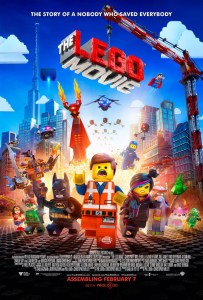
lego_movie_ver9_xlg

9. The Lego Movie
I’m not a fan of many other studios’ animated movies being a former Disney cast member, but The Lego Movie was funny and extremely quotable.  It did a great job of voice casting (lead Chris Pratt in his first of two blockbuster movies this last year, along with Elizabeth Banks, Morgan Freeman, Will Ferrell), used the Lego concept to its advantage, and was the most engaging movie of the year–until its last 10 minutes, which attempted to add heart to a movie that really didn’t need it.  Yes, this is the movie our family quoted the most in 2014.

alexander_and_the_terrible_horrible_no_good_very_bad_day8. Alexander and the Terrible, Horrible, No Good, Very Bad Day
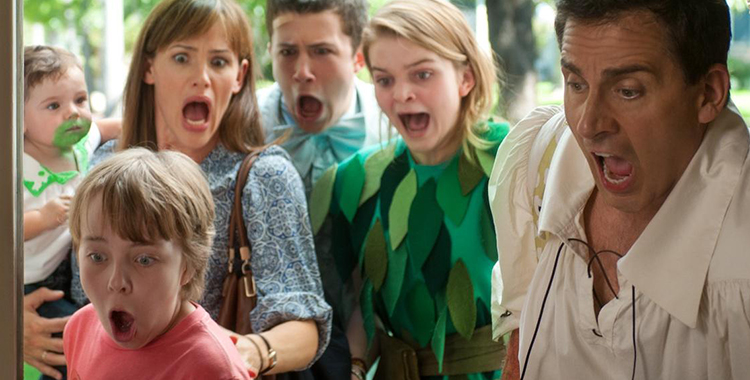
This engaging family film took the classic picture book and expanded it without ruining a single thing.  It was funny, heartwarming, and a live-action film that even my youngest watched without getting bored.  For anyone with kids, Alexander was a fantastic reminder of the power of family, the craziness of being a parent.  Steve Carell and Jennifer Garner play the parents, and the true wonder of the film is that the family it shows clearly and genuinely love each other and want the best for teacher other–a true rarity in films today.

Big_Hero_6_film_poster

7. Big Hero 6
The latest animated film from the House of Mouse was freely adapted from a little known Marvel comic and introduced the world to the most wonderful Disney sidekick since Jiminy Cricket.  Baymax the Healthcare Provider Robot is warmhearted, caring, and very endearing.  He just happens to be in a movie that is brilliantly designed, beautifully animated, and a fantastic origin story for a great team of superheroes.  It’s the best animated film of last year: action-packed, moving, and a whole lot of fun.

guardians_of_the_galaxy

6. Guardians of the Galaxy
I didn’t expect this movie to be THAT good.  But it was.  The latest film from Marvel Studios was a wonderfully written sci-fi space opera with talking trees and racoons, evil aliens threatening civilization, and a bunch of mumbo jumbo that really doesn’t make sense.  But who cares if it makes sense when you’re having so much fun?  Unlike its more familiar Marvel Universe relations, Guardians was a little out of left field.  And it was the best sci-fi adventure since the original Star Wars.  Chris Pratt anchored the film as the main character, a human in an alien world who really wants to be called “Star-Lord.”  So much fun at the movies.

fault-in-our-stars-movie-poster-full-copy
5.  The Fault in Our Stars
Based on the best-selling novel, this was a very touching film about two teenagers with cancer.  There you go.  In spite of it, it was funny, sweet, and endearing.  Anchored by a very wonderful lead performance by Shailene Woodley as Hazel Grace, a girl who is dying a little every day of cancer, Stars takes its original source material and uses it well.  It’s a literate teen film with characters who like to talk about things while they deal with very big events.  It was a movie I only went to see because my teenage daughter wanted to see it, but I ended up loving it more than I probably should have.  There’s a reason it became on of the biggest, most profitable films in the year–and its soundtrack was the best I’ve heard since the days of John Hughes.

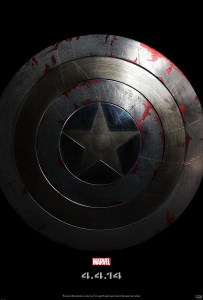
Captain-America-The-Winter-Soldier-Poster-2

4. Captain America: The Winter Soldier
I loved the original Captain America film, with its WW2 storyline, great direction by Joe Johnston, and Chris Evans as Steve Rogers, the weakling who becomes a hero.  I didn’t think they could make the next Cap film any better, and they did.  Instead of WW2 adventure, Winter Soldier is a throwback spy thriller, full of politics, espionage, and a really cool bad guy who may or may not be Cap’s best friend, who died in WW2.  Taking some of the big events of The Avengers and the original Captain America, this sequel was better than the first and one of the greatest superhero films of all time.  It’s seriously just that good.

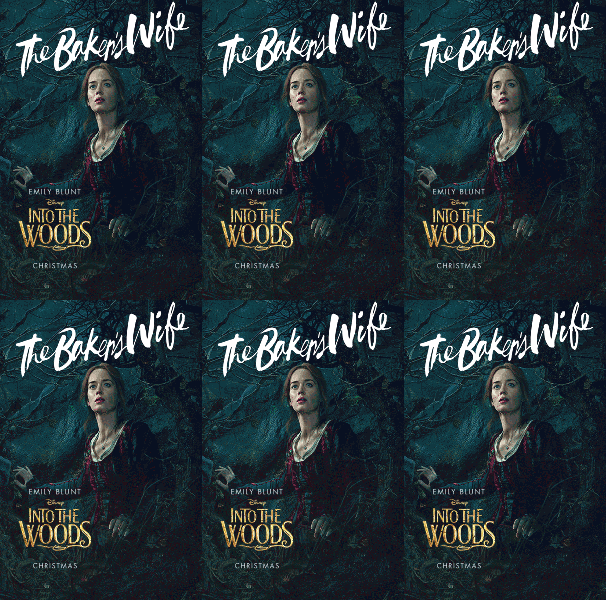
Into-The-Woods-The-Bakers-Wife

3. Into the Woods
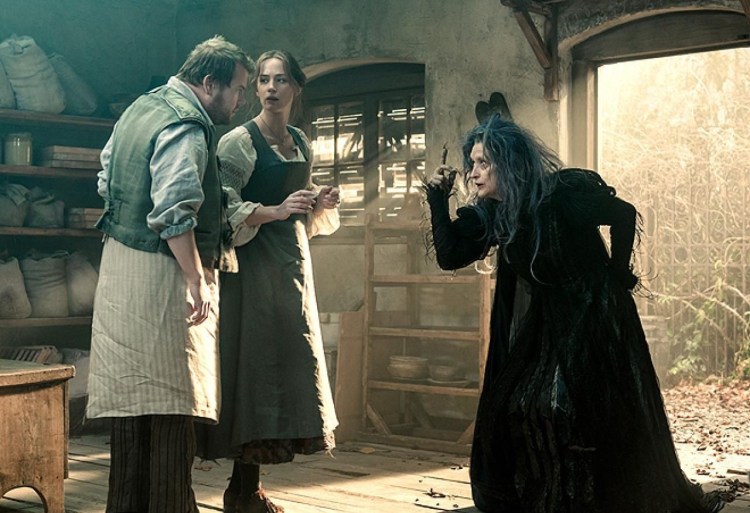
It’s not a typical “Disney” film because the princes are kind of jerks, Cinderella doesn’t end up happily ever after, and the overall theme is to be careful what you wish for, because you just might get it.  Well-directed by Rob Marshall, Woods is a great adaptation of the original stage musical by Stephen Sondheim and James Lapine.  Taking original Grimm fairy tales and mixing them into an original story about a childless baker and his wife, it’s a darker take on Disney’s classic stories, with a pretty high body count.  But it features incredible songs (“No One is Alone,” “On the Steps of the Palace,” and “Giants in the Sky” are personal favorites) and a great set of leads in James Corden and Emily Blunt as the Baker and His Wife.  They are the heart of the story, and it’s their love and loss that the audiences can best relate to.  A couple mistakes (cutting the Baker’s song and a truly horrible costume decision for Johnny Depp as The Wolf) don’t keep this from being the best movie musical in years.

grand_budapest_hotel

2. The Grand Budapest Hotel
Director Wes Anderson is a master at weaving intricately plotted stories, pulling great and quirky performances from a diverse cast.  My favorite film by him is Fantastic Mr. Fox, but this comedy-drama is a close second. Shot in three different formats to match the three different time periods in which it is set, Hotel tells the story of a concierge at a hotel who inherits a fabulously expensive painting and goes to great lengths to restore his good name.  Ralph Fiennes, so evil in movies like Schindler’s List and the Harry Potter films, is simply perfection here.  He is funny, crazy, and holds the film together.  It’s quirky, unusual, a little nuts, with awkward pauses, weird moments, and a fantastic soundtrack.

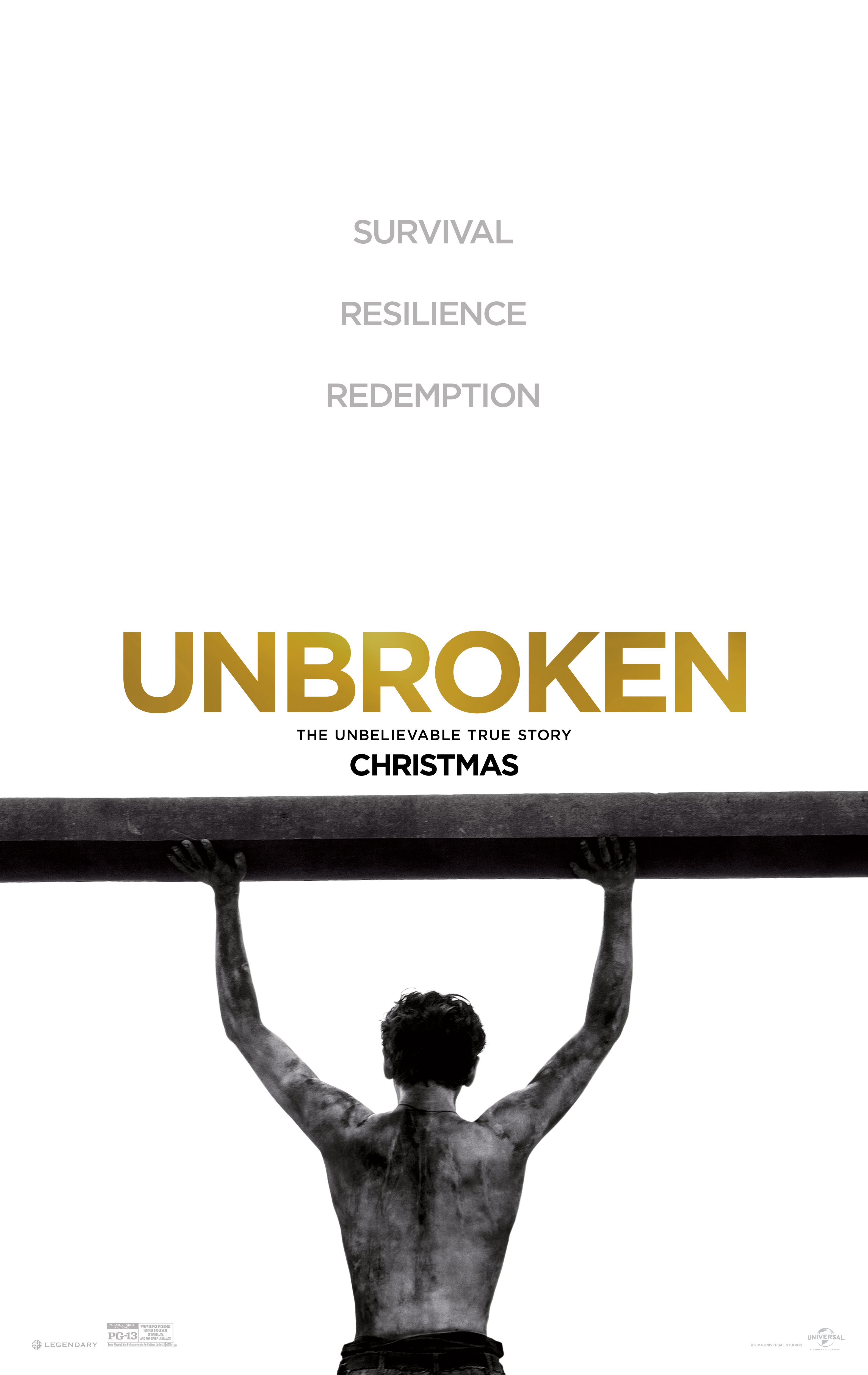
unbroken1. Unbroken
Director Angelina Jolie created a film that I wasn’t sure about when I finished watching.  But then I couldn’t get it out of my head.  The story of Louis Zamperini, an Olympic runner who enlists in WW2 and ends up surviving a horrific experience in a Japanese prison camp, as well as more than 40 days adrift in the Pacific Ocean, Unbroken is beautifully shot, wonderfully acted, and shows that Jolie is a top-notch director.  Jack O’Connell delivers an understated performance as Louis, who endures hellish things yet never gives up, and Japanese singer Miyavi is creepily sympathetic as a disappointing younger son who creates the hellish life the soldiers must live through.  It’s a film that is somewhat earnest, which can be a bad thing in this age when stories should be cutting edge and flashy.  Yes, it’s an old-fashioned film.  But it’s such a powerful story, so wonderfully told, that days later I couldn’t stop thinking about it.  And it’s my favorite film of 2014.

You Should Go “Into the Woods”

INTO THE WOODS

When you think of Disney fairytales, you probably think of happily ever afters, catchy musical numbers, charming princes and beautiful princesses.  Into the Woods, the new film from Walt Disney Pictures, has all of that, and more.  It’s beautifully filmed, wonderfully acted, and nearly perfect adaptation of the Tony Award-winning Broadway musical.

Into the Woods is the story of a childless baker and his wife who just happen to live next door to a witch.  Turns out the witch had a beef with the baker’s parents and put a spell on the family that would keep them from ever having children.  For reasons of her own, the witch tells the couple how to reverse the curse: go to the woods and bring back the cow as white as milk, the cape as red as blood, the hair as yellow as corn, the slipper as pure as gold.  This sets in motion the events of the film and brings the couple into contact with characters from several different Grimm fairy tales.

Combining the familiar stories of Cinderella, Jack and the Beanstalk, Rapunzel, and Little Red Riding Hood may sound like a variation of the Shrek films, but long before the green ogre made fairy tales pop culture, Stephen Sondheim and James Lapine, the Pulitzer Prize-winning team behind Sunday in the Park With George, created Into the Woods, a fairy tale mashup musical that became their longest running show and most profitable hit, winning Tony Awards for Best Music & Lyrics and Best Book of a Musical.

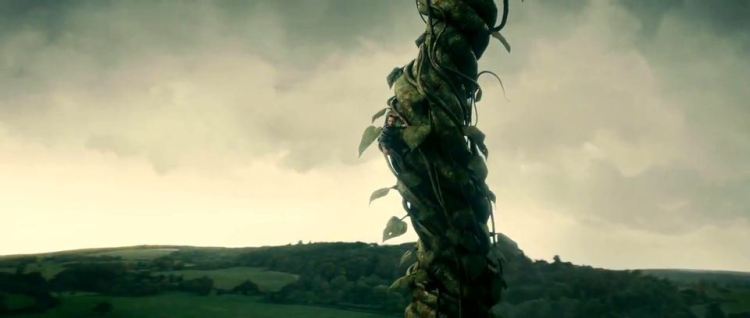
The story is ostensibly about what happens after ever after.  The first half of the film closely mirrors the musical’s first act.  The Baker manages to save Red Riding Hood from the belly of the Big Bad Wolf.  The Baker’s Wife finds Rapunzel’s hair.  They trick Jack into selling his cow for five magic beans.  Cinderella keeps running from the prince and running into people in the woods.  All things work out they way you know the stories do: Cinderella and the prince get married, Jack kills the giant, Rapunzel finds her prince, the Witch reverses the curse placed upon her as well and gets her beauty back, and the childless couple have a baby.  As the original musical says, “And all who deserved to were certain to live a long and happy life, ever after!”

into-woods-witch-baker

But the stories don’t stop there.  Turns out that Cinderella’s husband is a bit of a philanderer.  The Witch has lost her magic.  And worse, the giant whom Jack killed?  His wife is now on the rampage looking for whoever it was that murdered her poor husband.  Be careful what you wish for, the story seems to say.  You may get exactly what you asked for, but you’ll also get a lot more in the bargain.

It’s definitely not a story one would expect from Disney.  It’s second half is quite somber, there is not a typical “happy ending” to the fairytales.  Main characters do die at the hands of the giant, some people reveal themselves to be quite selfish, and the final moments of the film, like the original musical, are a powerful indictment against self-centered thinking that drives most of the action of the story–and society at large.

As a long-time fan of the original musical (I purchased the Original Broadway Cast recording on the day it was released in 1987), I’ve been, as Little Red sings at one point, “Excited and scared” about this film. It’s easily one of my favorite musicals by my favorite composer.  Stephen Sondheim has done more to grow and change the face of American musicals than any other, and this show is easily his most accessible for audiences unfamiliar with his unique musical and lyrical style.  Getting it wrong would have been very easy, and for the most part, director Rob Marshall and his talented cast and crew get it right.

INTO THE WOODS

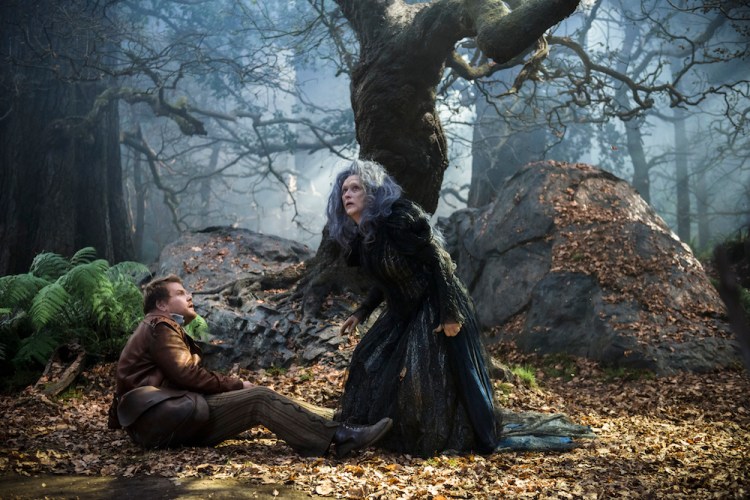
Meryl Streep is no Bernadette Peters, who played the Witch in the original production and remains the gold standard for the role.  But she is quite affecting and shows off her seldom-heard singing voice.  The part is both villain, comedic, and sympathetic and Streep pulls of all three quite well.  Emily Blunt, as the Baker’s Wife (she is never given a name), is easily the heart of the story as her quest becomes quite personal and her encounter with royalty gives her one of Sondheim’s best songs.  Cinderella is played by Anna Kendrick of Pitch Perfect fame, and I was surprised at the quality of her voice, although it is a it nasal at times.  She is quite good as a very indecisive young woman who really doesn’t want to choose anything (and sings about it beautifully in “On the Steps of the Palace”).  Quite good also is James Corden as the Baker who comes to realize the value his wife brings to his life and quest, although his character development is hampered by one of the film’s few very bad choices.  Chris Pine, as Cinderella’s prince, is all strapping manliness and charm and easily carries off the musical’s most fun crowd pleaser, “Agony.”

into-the-woods-corden-blunt-huttlestone

Costumes, cinematography, editing, and special effects are all top notch.  It’s a beautifully done film, full of rich colors and moments and making excellent use of both studio and location filming.  The titular woods are at times menacing and enchanting, and it’s easy to see that no expense was spared in making this film look as good as possible.  Director Marshall is in much better control of his film here than he was in the poor adaptation of Chicago that inexplicably won Best Picture several years ago.  Songs are given time to grow and develop, the big and small moments are given time to shine.  By the end of the film, there are some genuinely emotional moments due to the combination of story, song, and film.  It’s easily the best film adaption of a musical since Les Miserables two years ago, and it may actually be better.  It’s one of the best movies I’ve seen this year.

The songs are filmed the “old fashioned” musical way (unlike Les Miserables, the actors recorded their songs earlier), and the songs are easily some of Sondheim’s most hummable.  The title song was meant to have that Disney sing-song quality, and it certainly does a great job of setting the story up.  Other fantastic songs are “Giants in the Sky,” sung by Jack, “Moments in the Woods,” sung by the Baker’s Wife, and “It Takes Two,” an appreciation of the power of working together sung by the Baker and his Wife.  The orchestrations are superb and sound amazing with a full orchestra, adding depth and beauty that couldn’t be matched with a simple Broadway pit orchestra.

depp-woods-into-the-woods-johnny-depp-s-wolf-costume-explained

However, I do have quibbles with the film.  Some are minor: I understand that Johnny Depp is a big star and his face in the film may help it sell overseas.  But he doesn’t look like a wolf.  At all.  Which is a shame, because I actually enjoyed his performance and even his singing.  Alternately fun and menacing, Depp reminded me a lot of Robert Westernberg in the original cast.  But his costume is just bad.  Bad.  No attempt is made to make him look like a wolf.  Instead, he looks like Johnny Depp in a zoot suit and cat whiskers.  Which is unfortunate for him and for the film.  Luckily, he is in the film for only a very short time, so this distraction is kept to a minimum.

On a much bigger scale are the cuts made to the musical’s score due to running time or just bad decision making.  Both of the cuts were made from the musical’s second act, and the songs that were cut are inexplicable.  The first is a reprise of the song, “Agony,” sung by Cinderella’s and Rapunzel’s princes.  Even funnier than the first version, it highlights the philandering nature of both charming princes, has the best exchange in the musical: “It’s no sicker than your thing with dwarves! Dwarfs!  Dwarves!  Dwarves are very upsetting…”  Due to the seriousness of the second half of the film, it’s a much missed comedy moment.

Even worse is the cut of the Baker’s big song, “No More.”  One of the key underlying issues in the original musical, and hinted at frequently in the film but never developed well, is the fact that the Baker believes he will not be a good father due to the failures of his own father.  In fact, one of the main characters in the original film is a mysterious man who shows up frequently to assist the Baker on his quest and turns out to be the father that had gone missing years before.  Confronting both his own inadequacies and his own father, the Baker says he is done.  “No More!”  He tries to run away, but his father reminds him that the “trouble is son, the farther you run, the more you feel undefined by what you have left undone and more, what you’ve left behind.”  It’s a powerful moment that isn’t as strong in the movie.  The song is reduced to underscore as the Baker begins crying over his loss and worry.  James Corden would have nailed this song and it’s unfortunate that it was cut, because it hurts his character’s story arc.

Into-the-Woods-Trailer-3

On the whole,  though, Into the Woods is a fantastic adaption of Sondheim’s practically perfect score.  James Lapine, who wrote the book of the musical, also wrote the screenplay and it retains much of its humor and wit.  It’s a very funny musical, both in lyrics and in lines, in addition to being a powerful reminder of the power of the individual.

INTO THE WOODS

The most memorable song comes at the end of the story.  About to face a giant and filled with uncertainty, the Baker and Cinderella remind Jack and Little Red that “No One is Alone.”  People frequently use the song’s lyrics to encourage each other, as a reminder that “we are all in this together, you aren’t alone.”  But that is not what the song is about, nor is that what Into the Woods is about.  “Someone is on our side, someone else is not.  While we’re seeing our side, maybe we forgot: someone is on your side, no one is alone,” sing the four as they wait for the giant.  It’s a reminder that we are not alone.  Our choices, our actions do not affect us alone.  Every wish we make will affect someone else, for better or for worse.  You aren’t alone, so don’t act like you are.  No one is alone.

It’s a powerful reminder of the affect our choices will have on the world.  At the beginning of the film, every character has a wish and they hope it comes true.  For better or for worse, they get what they wish, and it leaves all of them forever changed.  It may not be your typical Disney happy ever after, but it’s one that helps audiences everywhere understand the power each of us hold to affect the lives of those around us.  “Do you know what you wish?  Are you certain what you wish is what you want?”  these are questions the film asks–and makes it worth going Into the Woods.

Disney’s “Very Bad Day” is So Very Good

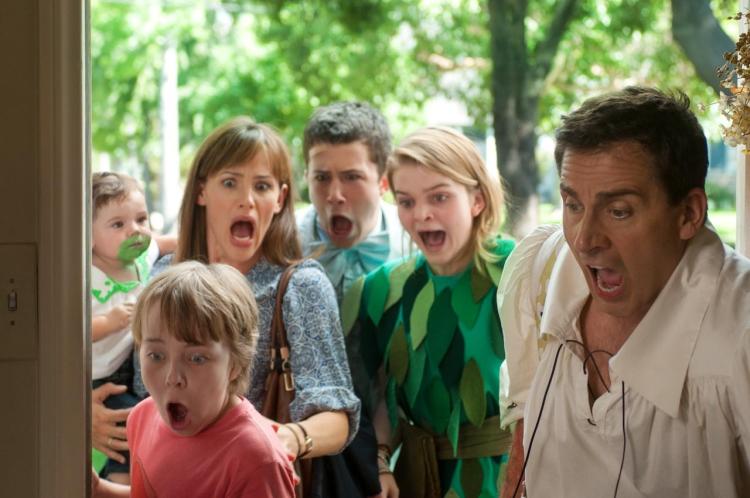
Everyone has had one of those days where nothing seems to go right, where everything seems to be just terrible, horrible, no good, and just plain very bad.  It’s one reason why Judith Viorst’s book, Alexander and the Terrible, Horrible, No Good, Very Bad Day has been popular since it was first published in 1972.  The book is a slight 32 pages highlighting every bad thing that happens to the boy Alexander on one very horrible day.  He spends the entire day thinking that perhaps life would be better in Australia. Alexander Disney’s new film Alexander and the Terrible, Horrible, No Good, Very Bad Day begins with Alexander (winningly played by Ed Oxenbould), the day before his 12th birthday, experiencing that bad day.  Trouble is, the worst his day gets, the better the rest of the family’s day gets.  His mom (Jennifer Garner) is up for a promotion, his unemployed but always positive dad (Steve Carell) has a job interview with a gaming company, his older brother is on his way to the prom with the hottest girl in school and his older sister is about to star in the school play.  And nobody seems to understand Alexander’s bad day. So at 12:01 am on his 12th birthday, Alexander makes himself a sundae with a candle and before he blows it out, he wishes that for just once, the rest of the family would experience a day as bad as his.  And from here, the movie expands on the original book in wonderfully funny and warm ways, turning a one-joke story into the best family movie in years, and one of the funniest movies I’ve seen in a very long time.
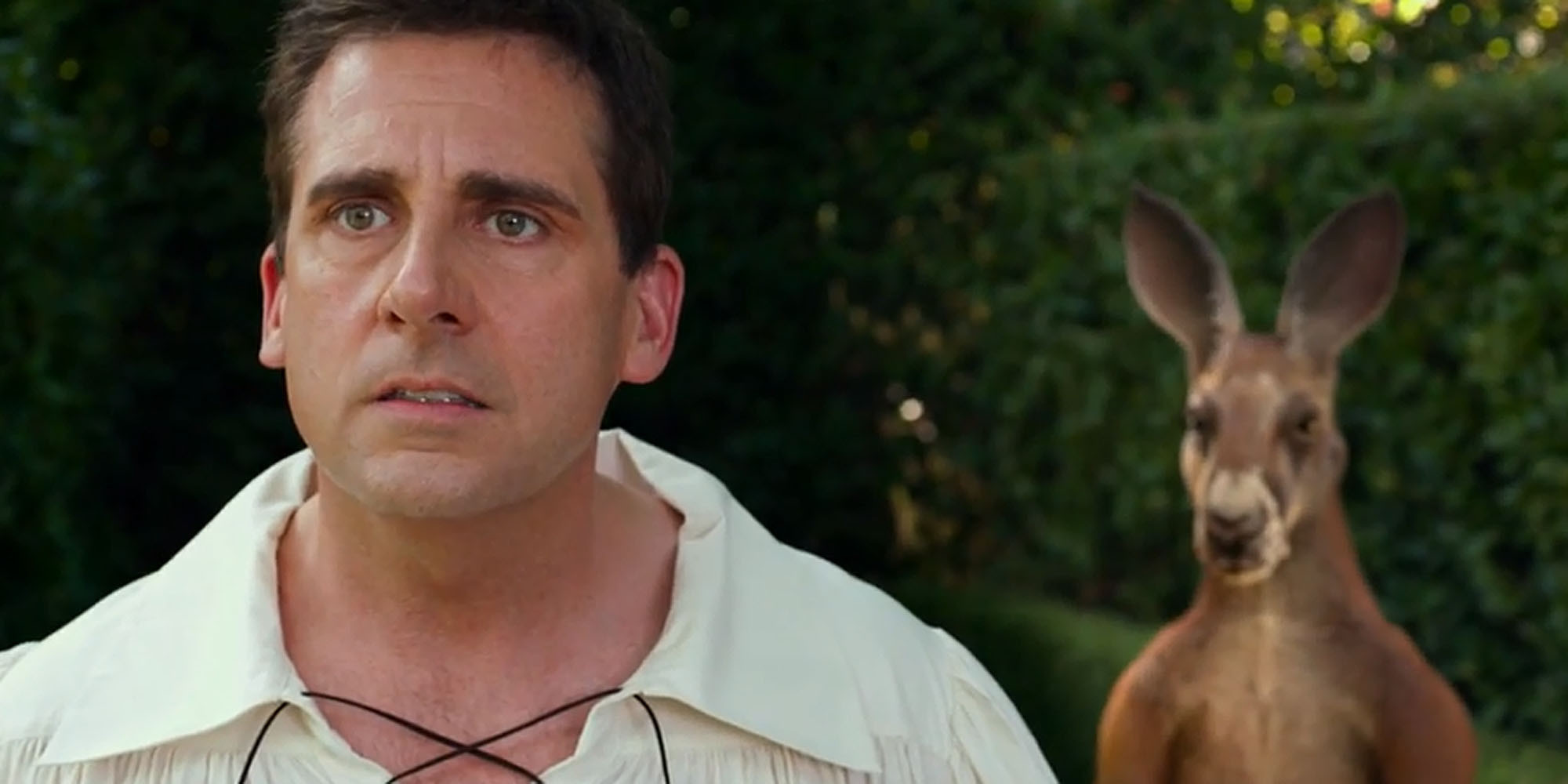

Writer Ron Lieber and director Miguel Arteta create a winning film by not depicting the typical families seen in most films and television shows recently.  The Coopers aren’t a dysfunctional family with lots of angst and issues, but a genuinely winning combination of parents and kids who figure out how to pull together and overcome difficult moments.  There are many terrible things that happen over the course of the cursed day, but they aren’t just the usual combinations of dumb sight gags and pratfalls which seem to be the bulk of most “family” movies.  Even better, the terrible things that happen aren’t truly terrible things but ones that might happen to any family: waking up with a pimple the day of the prom, getting sick the day of the play, messing up a big job interview, and screwing up the debut of a new children’s book–with the help of none other than Dick Van Dyke (in a very painfully funny cameo). Alexander As the parents, Steve Carell and Jennifer Garner play well off each other and both have genuinely funny moments in the film and bring warmth to their characters that is frequently missing from stories like this. In addition, they are both smart, hard-working and loving parents who do their best to make a bad better.  Unlike many sitcom parents, they actually are smarter than their kids, which is a pleasant surprise.  The kids in the film all do well, with the boys getting the best moments, especially those with Dylan Minnette, who plays the oldest brother, Anthony.  A character that in any other movie would be just the typical rude and crude teen has some very nice and funny interactions with his parents and siblings, all the while struggling to maintain a relationship with a stuck up girlfriend.

It’s much funnier than I expected, with many genuine laughs in a day filled with a driving test that goes horribly wrong, a visit to a Benihana-style restaurant that goes terribly wrong, a performance of Peter Pan that is just very bad.  As a family of six, it’s scary how many times we turned to each other and said, “That’s just like us!”  The humor on screen works because it comes from real life’s small crazy moments.  My wife and I could easily relate to so many moments in the film–sleeping through the alarm, forgetting a kid at school, trying to maintain a hectic life with kids coming and going like crazy–and yes, we even cried a few times because it all seemed so real.

Is Alexander ground-breaking, life changing cinema destined to win awards?  No, not at all.  But Alexander is easily the best family movie in years, pleasantly surprising, very entertaining, and surprisingly touching.  It’s one of my favorite films of this year.

10 Things Parents Can Do for Their Kids to Help Them Succeed

I have four children, so I get it.  Parenting is hard.

As James Dobson once wrote, it’s not for cowards.  That beautiful little sleeping newborn is actually the beginning of a full grown human being, with wants, desires, attitudes, feelings, and emotions.  And as that baby grows up, it will ask more and more of you.  And society, Pinterest, friends, pressure, and the media will tell you that they need it.

The thing is, they don’t.  Here’s what kids actually need to succeed:

10) Give Them a Job.  Nothing will instill a work ethic better in your child than earning money.  Allowances are not a good idea.  You don’t get paid just for existing, and neither should a child.  Once you feel your kids are ready to have some pocket change, have them earn it.  Whatever the age, there is an appropriate job for them to do in your family.  Washing clothes, doing dishes, feeding pets, making beds, dusting.  Menial jobs are great for kids, not because they are your servants, but because it helps them realize there is value in any kind of work.  Pay them for their work–and if they don’t work, don’t pay them.  If they complain, remind them that if you don’t do your job each week, you wouldn’t get paid, either.  It’s a great way to prepare them for future employment, and will help them grow as responsible, contributing members of your family.

9) Celebrate Together.  It’s easy to fall into a routine.  Work, school, chores, playtime, bed.  Over and over again.  One of the joys of the many random holidays we have throughout the year is that kids love them.  They love St. Patrick’s Day, Valentine’s Day, Groundhog Day, and all the rest.  What has happened, though, thanks to Pinterest, is that every parent believes they have to do some kind of huge extravagant thing every holiday .  Guess what?  Kids don’t care how much it cost or how much time you spent being creative.  So don’t break the bank, don’t sweat it, but celebrate the dumb holidays, even in small ways.  Create reasons to celebrate or have a party for no reason.  You don’t have to be Pinterest perfect.  What your kids will appreciate and remember is that you did something to break the routine and give them a reason to celebrate.

8) Teach Them to Be Grateful.  Gratitude is defined as a “feeling or attitude in acknowledgment of a benefit that one has received or will receive.”  But when was the last time you actually saw someone show gratitude?  Sure, we celebrate Thanksgiving every November, but how often do we pause to say thank you to those around us?  Not often, which teaches kids to think that they deserve everything.  Kids think they do.  They think they deserve that stuff you bought them, that vacation you took them on.  But they don’t. Nothing we have or get to do is something that is due us.  We are blessed to have any good thing in our lives.  Teaching your kids to say thank you, for presents, for dinner, for help, for anything helps them learn to be grateful.  When you say thank you, you are making a point that what you are receiving is undeserved, that you understand you don’t deserve it, and you are grateful for what you have been given.

7) Think About the End.  What do you want you kids to be when they grow up?  I don’t mean what they should do for a living–I mean, what kind of person will they be? Who will they be?  If all you focus on when they’re kids is making sure they do great in school, that they play the right sport or go to the right school, you’re missing the greatest area where you can influence your children: who they will be when they are your age.  You want a kid who loves others?  Then you need to model that.  Want a child who realizes that marriage is awesome, but it’s a lot of work?  Then show your kids that.  You know that the things you saw in your home growing up are a huge influence on your views about marriage, money, church, relationships.  When you think about the person you hope your child will be at your age, remember that what you show them today helps determine who they will be tomorrow.

6) Make Them Pay for Things.  If you’ve given your kids a job, then they have money to spend.  And if they aren’t spending their own money to buy the things they want, they will never learn the value of money.  We pay our kids each week for their job as part of the family.  And when they want to buy a book or new clothes, they pay for them.  They don’t always enjoy when they have to spend money on jeans after they’ve ripped a hole in the knee, but then again, I don’t like it either.  I’d rather spend my money on Xbox games and fun vacations then on electric bills, garbage, and a mortgage.  But being responsible with my money means I am careful to spend on what I have to, save for what I want, and enjoy it when I get to buy something “fun.”  I learned this much too late in life–but love seeing that when my kids have to buy things for themselves, they learn the wisdom of saving, the joy of ownership, and the value of frugality.

5) Remember That Time Matters.  What you do with your time shows your children just how important they are–and it will be reflected in how they treat time with their kids, too.  Are you present with your kids?  Are you on your phone?  When you do have time together as a family, do they see that you are checked in?  Or are you checking Facebook?  Parents have a limited number of days with their kids, and for them to succeed, parents need to give kids what they need most: their time.  Whether or not you realize it, you are the single biggest influence in your child’s life.  If you give up your time with them (about 900 weeks from the day they are born until high school graduation) because you working so you can buy them more stuff or greater opportunities, you’re missing the thing they need most: you.  Your friends’ lives on Facebook isn’t nearly as interesting as the child in front of you–let them know it.

4) Teach Them to Honor Others.  Putting someone’s needs ahead of ourselves is not something that comes easy to anyone, especially children.  And we live in a me first, survival of the fittest, society.  But when we value someone more than we value ourselves, it’s amazing how unselfish, how self-sacrificial, how kind and gentle we can be.  Our family have struggled with this on and off again, but using what we call “The Honor Chart” has helped us a lot.  We track daily when someone puts someone else above themselves–like doing their dishes for them, or helping them without being asked, or even just playing nicely with each other.  We also track when people get selfish, talk rudely to each other, or act unkind.  It’s amazing how quickly the “dishonor” adds up!  (Mom and Dad are included in the list, too.)  Teaching kids to value others more than themselves helps them see the importance of their words and actions towards others.

3) Find Other Adults Who Can Speak Into Their Lives.  While you might be the biggest influence on your child’s life, you aren’t the only one.  You can choose who those people are, instead of leaving it just to chance, or to your kids (who will choose celebrities, movie stars, singers, and the like).  Find some great adults who can speak into your kids lives about the stuff you can’t or aren’t able to.  These people can be coaches or directors, church leaders or mentors.  They can be the mechanic who works on your car, or the neighbor who has that amazing yard.  Find quality, well-respected, mature, and good people, and help your kids connect to them.  Church, school, neighborhood, sports field, neighborhood theatre.  They can be found everywhere.  They can encourage and cheer on your kids in ways that you never can.  Your kids will have other influences–why not be intentional about who those influences are?

2) Value Experiences Over Things.  We place a high value on things in our culture.  Having what is new, owning what is now–it’s very important.  Trouble is, things don’t last.  That great new tv you just bought has already been made obsolete.  Your phone is out of date, and you’re still in a contract for two more years.  And don’t even talk about that computer.  Sure, you will probably hold on to your house for a long time, but the furniture in it?  It’s not new to hear that memories are the only things you can hold on to, but it’s true.  If you have a house full of all the newest and nicest things, but never spend your money creating memories, you’re teaching your kids the wrong thing.  Possessions come and go, but memories last forever.  The National Parks I visited with my family growing up?  The road trips I’ve taken my kids on?  Those are shared experiences that we will never forget.  I don’t even remember the color of the last two couches I had.  Things are great, but they don’t last.  Doing things with your kids and creating memories together?  That lasts forever.

1) Show Them That Grace is the Greatest Gift You Can Give.  Kids hear all the time about how they’ve messed up, how they don’t measure up, where they have gone wrong.  As parents, it is our job to correct and train our children to make wise choices as they grow up.  But when they don’t, what is the response?  Parents, disappointed in their own failures, often maximize or blow out of proportion a child’s failure.  I know–the response I’ve given to my five year old over his lack of appetite when my wife has made an amazing dinner far outweighs the actual circumstance.   What do I want most when I screw up?  I want grace.  And yet, I can’t show grace to a kid who thinks anything with green in it is poison?  You get it–if we want to have grace-filled children, who are quick to forgive, slow to anger, and generally awesome, we need to be grace-filled parents.  When your kids gets a less than perfect report card, it’s fine to have consequences–but measure them with grace.  When your child spills that glass of wine all over the carpet, remember the grace you received for a much greater slight.  When kids see grace lived out, they will live out grace as well.

Author’s Note: I’m working on these just as hard in my home as I hope you will be in yours.  One of the reasons I wrote this list is to remind me of what matters most to help my kids grow up and succeed in this wonderfully messy thing we call life.