10 Things You Can Learn from Disney’s “Frozen”

It’s the biggest movie in years, crossing over from family and little girls who love princesses to being a global phenomenon.  It’s a two-time Oscar winner with thousands of YouTube covers of its songs, and beginning its 16th week in theaters, even after it was released on Digital Download, it was number 6 at the box office.  It releases on DVD in America today, and finally opens in theaters in Japan today as well.  Disney’s Frozen is one of those rare films that comes along once in a generation.  The 1990’s had Titanic.  The 2010’s have Frozen.

So many different blogs and film sites have written about things they have caught or seen in the film.  But I believe there are 10 really big things you learn from Frozen.  Here they are:
The Parents

10.  PARENTING ISN’T EASY.  Anna and Elsa’s parents are onscreen for a very short time, and in that time they show just how difficult it is to be a parent.  I read one site that said that Elsa and Anna’s parents were abusive, which makes me wonder if that person had ever parented a child.  It’s tough parenting kids–especially when your kids aren’t cookie cutter, just like everyone else. As a father of four, I appreciate the dilemma the parents face at the beginning of the film.  I can’t parent one of my kids the way I parent the other.  What works with one does not work for the rest, and there are passions and abilities in one child that can cause stress and irritation for another.  Do they make the wisest choice to encourage Elsa to hide her powers?  No.  But when a magical troll turns the Aurora Borealis into a terrifying vision of the future with your kid as the star, what choices do you have?  And one thing every parent knows and fears is exactly what happens in Frozen.  Every parent worries, am I screwing up my kid?  Should I have taken that advice?  (See number 6.)  Seriously, as the King and Queen could tell you (if they had survived the opening 10 minutes of the movie): parenting isn’t easy.
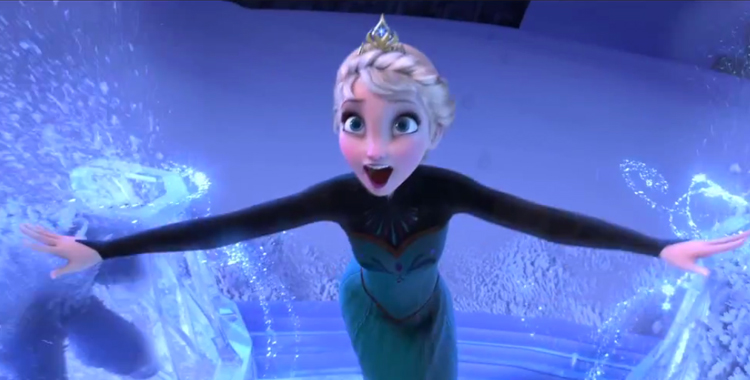
Elsa Snow

9.  YOU CAN’T JUST LET IT GO.  Sure, Elsa’s big song is all about embracing her powers, which is awesome, and its easily one of the greatest moments in the movie.  It’s empowering and nice to see Elsa really smile for the first time since she was a little girl.  But it’s also a manifesto that isn’t true: sure, the cold doesn’t bother her anyway, but it sure is ruining the lives of those around her.  It’s great to have a powerful mantra that enables you to “be the you who you were created to be,” but nobody can truly be who they are meant to be in isolation.  We are created to live in community with others–isolation brings fear, worry, and worse.  When Elsa shuts Anna and the world out, bad things happen.  It’s only when Elsa realizes how much she needs her sister in her life, that she can’t shut everyone out, that she is able to use her power in the way it is supposed to be, to benefit others, to bring goodness to the world around her.  What’s true for Elsa is true for us, too.
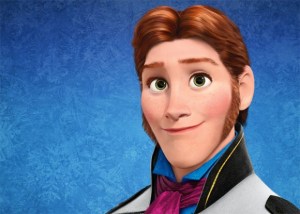
Hans

8.  HANDSOME AND CHARMING DOESN’T MEAN A GUY’S A PRINCE.  By now, the big twist in the film is well-known.  But just in case: SPOILER ALERT.  Seriously, stop reading right now if you don’t want to discover that the guy who would typically be the Disney prince in this film is just as big a jerk as Gaston from Beauty and the Beast.  Frozen isn’t Disney’s first film to tease the idea that the guy who should be the prince really isn’t, but it takes it farther than they ever did with Beauty and the Beast.  Gaston’s good looking, but he’s a tool.  Hans, however, is handsome, self-effacing, sings a knockout production number with Anna (“Love is an Open Door” is a great love song), but reveals himself to be just as self-centered and full of himself as that earlier jerk.  What Frozen teaches every girl is to really know and learn about that guy who seems so right, because underneath, he could be so very wrong.

7.  APPRECIATION AND RESPECT IS AS IMPORTANT TO LOVE AS ATTRACTION.  One of the things every parent of daughters can love about Frozen is what also makes Disney’s Mulan so appealing: the love story isn’t the main story, and it operates on the periphery.  Mulan may have an attraction to Shen, but it’s not the main story, and the fact that he shows up at the end of the movie is actually a sweet “extra” to their story.  In Frozen, Anna may think she loves Hans, but what she eventually discovers is that the guy she truly should be with is the guy who has shown his friendship to her, the one who smells like reindeer, looks scruffy, and even questions her ability to make good choices.  Kristoff is a good friend, and they grow to respect and appreciate each other on their adventures.  Just as Shen respects and appreciates Mulan not just because she’s a good-looking woman, Kristoff appreciates Anna for all her strengths–and even weaknesses, not just her looks, which makes their kiss at the end of the movie actually mean something.
Pabby Troll

6.  NOT ALL ADVICE IS GOOD ADVICE.  The advice that Grand Pabby (the troll) gives to Elsa’s parents is just plain bad.  It’s not even partially good.  He freaks them out with a vision of Elsa’s powers gone amok, and then proceeds to erase all of the wonderful memories Elsa has shared with her sister over the years–leaving the fun.  What that means is he leaves Anna with no context for why she recalls having fun with her sister–or why, when she remembers all this “fun,” she isn’t able to have it with Elsa now.  Concealing the power, shutting her up in her own room, causing what was once a joyful expression to now be one that fills her with dread–this is what happens to Elsa when her parents follow some very bad advice.  Doesn’t matter whether the source is a magical troll or a well-meaning friend: just because advice is given doesn’t mean you have to take it.

Anna and Clock

5.  KIDS NEED FRIENDS.  One of the best songs in the film is “Do You Want to Build a Snowman?” which encapsulates the entire breakdown of the relationship between Anna and Elsa, the loss of their parents, and the isolation in which both girls have been raised.  Yes, Anna has been allowed to roam freely in the castle for years, but the gates have never opened–so she has never had a friend her own age.  Just as Elsa has been isolated because of her powers, Anna has also been isolated.  Without the interaction with other children, without the friendly interaction with her sister, added with that the death of her parents, it can’t be surprising when she falls for the first really friendly (albeit handsome) person she meets in her entire life.  You can’t grow up in isolation and expect to understand what a healthy relationship looks like.
Sven and Olaf

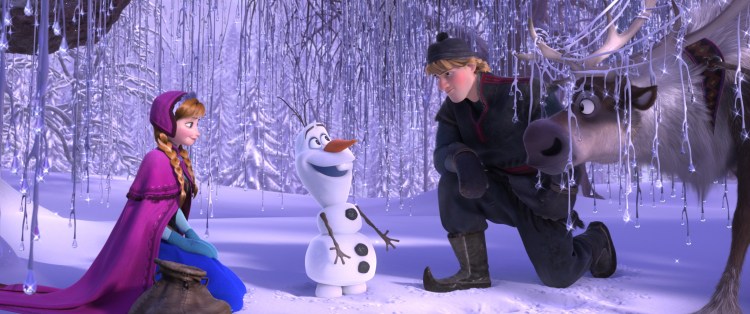
4.  REINDEER(S) AND SNOWMEN ARE BETTER THAN PEOPLE.  They may be “comic relief,” but both Sven the reindeer and Olaf the snowman are also two of the best characters in the film.  Sven is the voice of Kristoff’s conscience in the early going of his relationship with Anna, and the one who quickly sees that Anna, while strong, may need a little help along the way.  Olaf, the childhood creation brought back to life in a throwaway moment of “Let It Go,” is a wide-eyed innocent who truly sees no guile in anyone.  He simply sees people who need help and is determined to help them, even when it could cost him his very life.  Both Sven and Olaf risk everything to save the people they love, with no thought of what it could actually cost them in the end.  Everyone needs a friend or two like these.

Some People Are Worth Melting For

3.  SOME PEOPLE ARE WORTH MELTING FOR.  One of the best things about this film is the amount of self-sacrifice made throughout the story.  Elsa hides her powers for the benefit of the ones she loves (misguided as it may be), Anna isn’t afraid to jump on a horse and run after her sister, Kristoff and Sven give up their successful ice business to assist Anna, Olaf literally melts to save Anna, Elsa gives herself up to save her sister, Anna throws herself in front of Hans to save Elsa, and the list could go on and on.  Yes, there’s a lot of heroics here, and sometimes its hard to give up something for someone else–but in a world where kids are taught that what they want is the most important thing, it’s wonderful to see a film that reminds them that sometimes the best thing you can do is to give up something for someone you love.

The Confrontation

2.  YOU CAN’T FORCE SOMEONE TO CHANGE.  Anna’s quest is doomed from the moment she sets out after Elsa on Coronation Day.  She can’t make Elsa change at all.  One thing that is clear throughout the film, but especially in their relationship, is the fact that change has to be something we choose for ourselves.  Anna would love to force Elsa down the mountain and stop the eternal winter, but she can’t make Elsa do it.  In fact, it’s the fear that she is being forced to do something again–a stark reminder of her childhood, when she was made to wear gloves and conceal her powers–that causes Elsa to freak out and accidentally freeze Anna’s heart.  Even when we love someone, we can’t make them change for the better.  We can only love them.  And ultimately, it’s that love that causes Elsa to realize she can change.  Which, of course, changes everything.

Anna & Elsa

1.  PRINCESS DOESN’T MEAN WEAK.  There’s a movement today that says that families are damaging their daughters by calling them princess.  “You limit your daughter when you call her that,” they say.  Because, of course, calling a girl a princess will make them want to always wear pink, have tea parties, dream of boys, and turn into Barbie.  Ahem.  The princesses (and one eventual queen) in Frozen shows that to be entirely untrue.  Both Anna and Elsa are princesses who grow up wearing pretty gowns, live near ball rooms, and all the other trappings.  But neither of them can be called weak, or even “girly,” even though they are both extremely feminine.  Anna is headstrong, unafraid of challenges, willing to do the dirty work of climbing a mountain on her own, fighting wolves, going after her sister–even when Elsa has just revealed a crazily terrifying ability to freeze anything, create snow, etc.  She’s called princess throughout the film, but that doesn’t make her less of a woman.  Elsa, also, is a strong woman.  She grows from princess to queen, and yes, she may be a little confused about her powers, but nobody in the kingdom even thinks twice about the fact that she will now be their ruler.  And yet, both women are beautiful, talented, and look lovely in their gowns.  Who says you have to either be feminine or tough?  Anna and Elsa teach girls that they can be both.  And the number of boys who have helped make Frozen the hit is shows that they get it, too.

There’s a lot more you can learn from Disney’s latest masterpiece.  What do you think?

What the Seattle Seahawks Can Teach Parents and Kids Everywhere

Seahaws and Broncos

I’m not a football fan.  I don’t obsess about records or scores.  I can remember the names of players from my childhood better than the players who currently take the field.  And yet, living in Seattle, it’s hard not to give in to the 12th Man.

They’re everywhere.  The people I work with are obsessed.  And I was reluctant to give in to the hype and the hoopla over the Seahawks.  I “liked” them in that way that every person likes their hometown sports teams.  But I did nothing to find out more about the players, I only watched three games all season (the last three, including the Super Bowl), and I only bought a piece of clothing with the ubiquitous blue and green logo because I needed to fit in at a big work event.

So why am I writing about the Seattle Seahawks?

Because their rout of the Denver Broncos yesterday has a lesson every kid and every parent needs to know.  From the new world champion can come a great understanding of something that so many people miss in our performance-based, celebrity-obsessed, and yes, sports-minded culture.

It’s easy to be noticed for what your’re good at.  It’s easy to be chosen when you’re good looking, or talented, or can play a particular sport or an instrument.  The world is full of people who get noticed for what they can do.  And it starts when you’re a kid.

I remember being a kid that nobody wanted.  I wasn’t particularly athletic, I was small and scrawny.  And when those moments came when people were chosen for games requiring athletic prowess, I always knew when I would get chosen.  Usually after the kid who had a broken foot, was on crutches, and was terribly nearsighted.  I was chosen after him.

There are kids and adults like that all around us.  They don’t get noticed.  They get overshadowed.  There is someone who is just enough better, just enough taller, just enough more able–and they are left on the outside looking in.  The unchosen.  They might be good.  They might be quite able to pass the ball, or hit the note, or smile just right.  But there is someone else who gets noticed, and they get chosen instead.

It’s all about potential.  Inside of every person is the God-given potential for greatness.  How do I know?  Because God Himself is great and He created us in His image.  If He can do anything, well then, why can’t we?  Sure, we all have different talents, but what makes one kid shine at sports while another kid sits on the benches?  They have the same potential for being awesome, but one excels and one watches, unnoticed and unchosen.

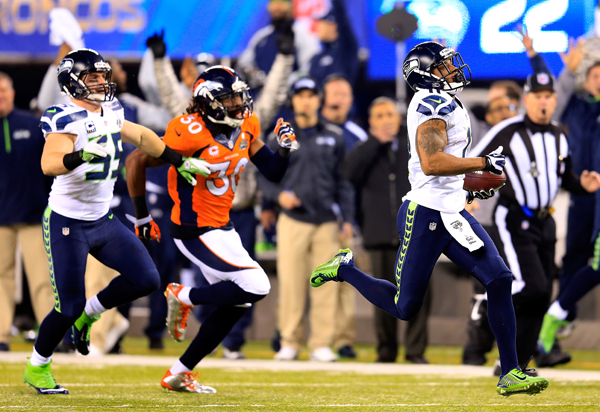
Harvin's Run

What does this have to do with the Seattle Seahawks?

The team that just crushed the best offense and one of the greatest players in football history is full of players who weren’t chosen, who weren’t recognized as the best, who sat on the sidelines after the better guys found fame.

Quarterback Russell Wilson, who seems like a super nice guy in addition to being quite good at the sport he currently plays, was a third round draft pick.  And his salary is less what is paid to Payton Manning’s backup.

Whatever you may feel about Richard Sherman’s arrogance, he has a right to brag.  He was a fifth-round pick, makes eight figures less than the Broncos’ Champ Bailey, and his personal story shows even more how hard he had to work to get noticed.

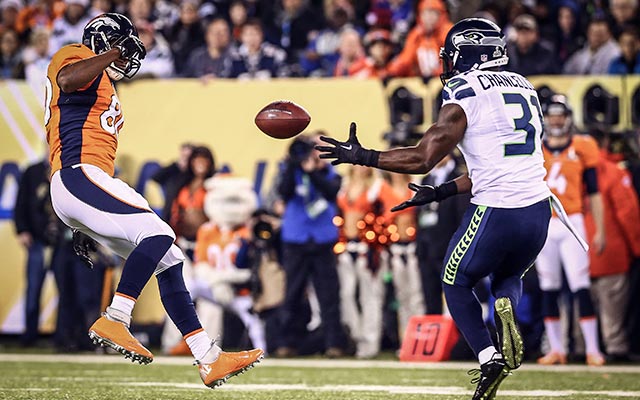
Chancellor Interception

The rest of the team is a who’s who of forgotten, unchosens: Jermaine Kearse, who broke several tackles and earned a touchdown in the Super Bowl, was not even chosen for the NFL draft.  Cliff Avril was on the Detroit Lions in 2008, when they became, quite literally, the worst team in football history.  Kam Chancellor, who had a stunning (I think even to him) interception at the end of the first quarter, was a fifth round choice.  Even Percy Harvin, who turned the 2nd half kickoff into an amazing touchdown run, wasn’t the perfect player.  Sure, the Seahawks invested a lot of money in him.  But he sat out most of the season due to hip surgery, concussions, and other health concerns.  And what about Derrick Coleman?  As a deaf child, even though he loved the game, he was told he would never be able to be part of a team.  Pitied, sitting on the bench, uncoached, undrafted.  And now he is a Super Bowl Champion.

This is why it’s all about potential.  Everyone has a God-given potential for achieving something great.  What does it take to actually achieve it?

For the roster of players on the Seattle Seahawks, it took someone recognizing that potential and honing it.  Believing in it.  Not overlooking someone who wasn’t the best.  And sticking with that potential, even when things get hard or complicated.  What made the Seattle Seahawks so thoroughly beat the Denver Broncos wasn’t the bad playing of Payton Manning.  It was the impressive belief in potential that turned a bunch of overlooked players into a team.

So what does that teach parents and kids everywhere?

Simple.  Kids: if you aren’t chosen first, don’t let that stop you.  You don’t have to be first pick to be great at something.  (On a related, but non-sports, note, it helps to remember that one of the biggest movie stars of all time was once told he couldn’t sing, couldn’t act, and could only dance a little.  His name was Fred Astaire.)  As Russell Wilson’s dad used to say to him, “Why not you?”  Hey kid, you weren’t chosen first.  But–why not you?

Parents: find the potential in your kids and develop it.  Recognize it.  Believe in it.  Help them discover the greatness they are capable of achieving.  You should be like Pete Caroll, who brilliantly believed in a bunch of third and fourth choices and helped them become the Legion of Boom.  If that image doesn’t work for you, think of yourself as Mufasa from The Lion King, who reminds his wayward son of his wasted potential: “You are more than what you have become.  Remember who you are!” (I wouldn’t be me if I didn’t pull in a Disney reference somehow.)

So yes, now I am a fan of the Seattle Seahawks.  I’m a proud member of the 12th Man.  And not just because we won the Super Bowl, but because–as a father, husband, and children’s pastor–I see clearly just how we won.  Because someone saw the potential, believed in it, and helped it achieve greatness.

Who wouldn’t want that as their legacy?

Top 10 Albums of 2013

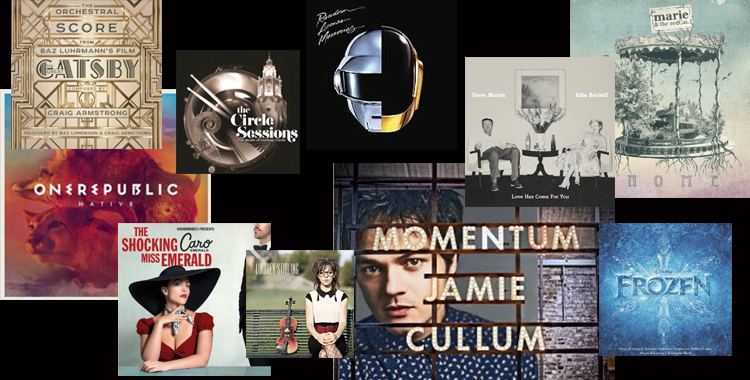
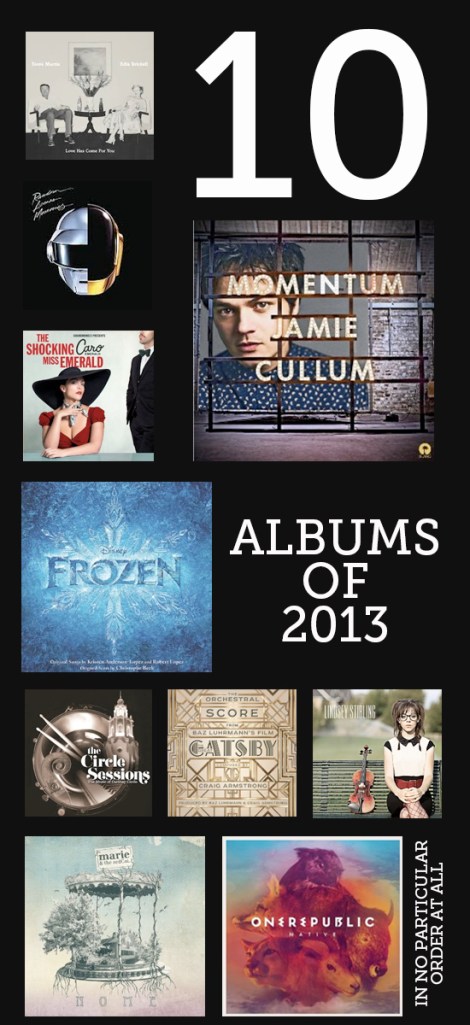
10 AlbumsI have an eclectic taste in music, and I don’t listen to the radio.  I enjoy music based on what I discover through experiences, through recommendations from friends, through browsing the playlists on Spotify and seeing what catches my eye and ear.  The albums represented here are not the only ones I listened to in 2013, but these the ones actually released in the last year that I enjoyed the most.
1) Love Has Come for You by Steve Martin & Edie Brickell.  The former earthy late 80’s pop star joins with the film star (and true renaissance man) to create one of the best albums of 2013.  It’s not just bluegrass or folk, it’s the best of everything with stunning banjo playing by Martin, wonderful vocal performances by Brickell, and a combination of sadness and melancholy joy that combine to make a truly wonderful listening experience. Anyone can sound good remixed a million times, but here is a great example of true, unvarnished talent.

2) Random Access Memories by Daft Punk.  Late to the Daft Punk game, having only picked them up due to their amazing score for the recent Tron film, I was blown away by the excellence of their latest album.  It’s 1980’s style house music.  It’s an aural homage to the dance music of an earlier era, and it’s also brilliantly produced.  Yes, it’s remixed and autotuned and everything that one is supposed to hate about today’s music.  But it’s so freaking good.

3) The Shocking Miss Emerald by Caro Emerald.  Don’t try to categorize this album.  Sit back and relax a wonderful vocalist doing what she does best: creating a contemporary yet very timeless collection of jazz-inspired techno-swing.  Wait–is that categorizing?  Caro Emerald’s latest album combines stylistic touches of New Orleans style jazz with lush strings with sardonic and witty lyrics and enough contemporary stylings to make you feel like you’re sitting in a Paris nightclub about to experience something new.  Seriously, categorization isn’t possible.  So just enjoy.

4) Momentum by Jamie Cullum. Why this man isn’t more famous in America is beyond me.  More than just a great vocalist, he is one of the most talented piano players out there, takes chances with every album, and continues to surprise.  While this album is a big departure from his more jazz-based roots, it’s easily one his best, combining jazz, pop, R&B, a little rap and God only knows what else into a compelling listening experience.  Writing, singing, playing–Jamie does it all, and with incredible panache.

5) Frozen by Various Artists.  The soundtrack to Disney’s latest animated feature is a superb collection of songs and music.  The Deluxe edition also features songwriters Kristen Anderson-Lopez and Robert Lopez talking about and sharing demos of songs written for but not used in the film.  The songs actually used in the film are all top notch, creating Disney’s best musical score in years.  While Broadway star Idinia Menzel doesn’t disappoint with her performance of the big song (“Let It Go”), it’s TV star Kristen Bell who surprises with the most engaging Disney princess vocals since Jodi Benson appeared for the first time as Ariel in The Little Mermaid.  And Christophe Beck’s score is fantastic, using native Norwegian instruments and vocals to create a musical landscape that beautifully evokes the films Scandinavian setting.

6) The Circle Sessions by The Circle Session Players.  Music arranged specifically to be played at the new Carthay Circle Theater in Disney California Adventure, the album is a perfect collection of jazz-based stylings of classic Disney songs.  Inspired by Dave Brubeck’s classic Dave Digs Disney, it’s a bunch of LA’s best studio players creating classic jazz inspired by very familiar songs.  Nothing cheesy or smooth, this is just great music to listen to, all the more enjoyable because as it plays you get a familiar smile of recognition every once in awhile.  A true gem.

7) The Great Gatsby: Original Score by Craig Armstrong.  If you experienced the movie version released in 2013, you may have enjoyed the anachronistic musical choices.  I liked a few, but I prefer this music that underscores beautifully the gorgeous film by Baz Luhrmann.  Armstrong has always scored Luhrmann’s movies, and his choices for this score continue to be the musical foundation that drives the story forward.  Beautiful strings, gorgeous vocals (by Lana del Rey) and the underlying qualities of the film itself: hope, loss, and love.

8) Lindsey Stirling.  A dancing violinist who combines classical music with dubstep, trance, and God only knows what else, Stirling was rejected by America’s Got Talent in 2010, became a YouTube sensation (with one song being 2013’s 8th biggest hit with 63 million views), and has recorded an album of her unique song style.  She’s probably not the greatest violinist in the world, and I don’t know how she can dance and play at the same time, but the music is unlike anything I’ve heard in awhile.  And I like being surprised.

9) Home by Marie and the redCat.  Technically released in 2012, it was with the song “Beautiful Day,” used in Starbucks’ summer commercials in 2013, that I found this strange little band from Germany.  They have already disbanded after recording one album, but that album is fantastic.  Marie’s alto voice has a husky quality that adds depth to the light tone of the music and instrumentation, and whoever the guys are that make up the redCat are talented as well.  Pop music for people that don’t like pop music, and better than almost everything you’ll ever hear on the radio.  Except for the fact that this is the only album by them.  Ever.

10) Native by OneRepublic.  Probably the only pop band out there right now who I truly enjoy.  Ryan Tedder’s voice is so good, the songs are beautifully written and yes, it’s an album where you can enjoy every song and not just the one or two singles guaranteed for airplay.  Lyrically, the songs are strong.  Musically, there’s nothing over produced or what may feel manufactured.  And it’s just great to have a pop album that doesn’t sing about sex.  The final song, “Preacher” is all about Tedder’s grandfather.  It’s a great album that reminds us that “with every broken bone, I lived.”  This is pop music at its finest.

Top 10 Books of 2013

The best books I read this last year.

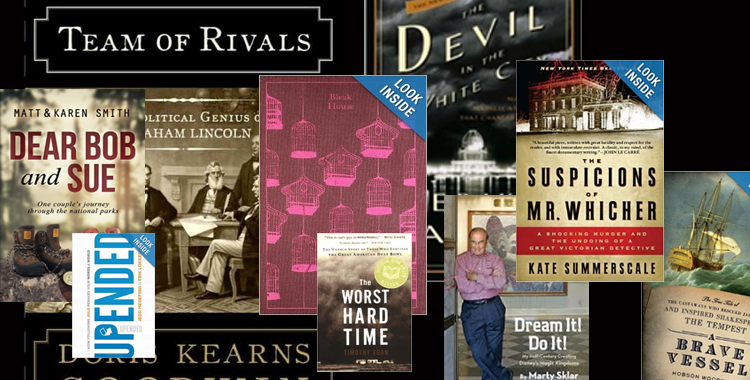
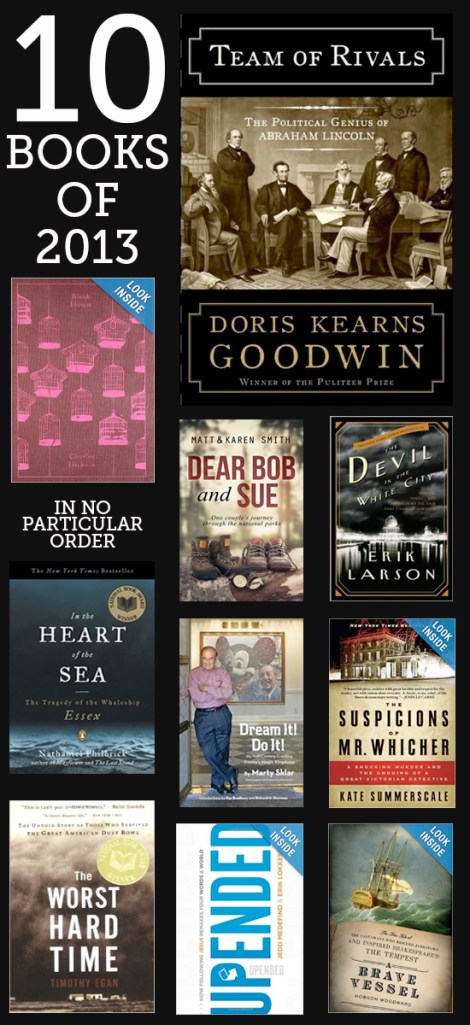
10 BooksTeam of Rivals: The Political Genius of Abraham Lincoln by Doris Kearns Goodwin.  The Pulitzer Prize-winning book is one of the most amazing biographies and histories I’ve ever read.  When it comes to a historical figure as well-known as Lincoln, it may seem like there would be very little left to discover or surprise.  This book does just that–but more importantly, it shows his amazing skill as a leader and political mastermind.  In addition, one discovers just why the men who hoped to defeat him in his quest for the presidency ended up being his staunchest supporters.  A brilliantly written, engaging, and fantastic book on what it means to be a leader.

In the Heart of the Sea: The Tragedy of the Whaleship Essex by Nathaniel Philbrick.  I knew very little of this book or chapter in history until I heard that Ron Howard was making a film starring Chris Hemsworth.  Picking up the book, I was engrossed from the very beginning.  A haunting and tragic tale, it is also a fascinating look at the island of Nantucket, the whaling culture of the 1800’s, and the men who could do the task of hunting whales around the oceans.  The true story also later inspired the American classic Moby-Dick as the only time in history that a whale deliberately sank a ship.  What happens next is harrowing–and makes the book impossible to put down.

Dear Bob and Sue by Matt & Karen Smith.  After surviving a bought with cancer, a couple from Issaquah, Washington decide to check something off the bucket list: to visit every single one of America’s National Parks.  What emerges is less of a “how to” manual and more of a travelogue, written as letters to friends.  We experience the wonder of our country’s natural beauty through the eyes of two everyday folks, hear their joys and frustrations, and reflect with them on what has been called “America’s best idea.”  It may not be every person’s cup of tea, but as someone who spends every other taking his kids to experience our National Parks, I couldn’t help but smile along–and be inspired.

The Devil in the White City by Erik Larson.  In less than two years, architect Daniel Burnham turned unused marshland outside of Chicago into a glittering “White City” for the 1893 World’s Fair.  As Larson recounts the story of the development of the fair (including the first Ferris Wheel and many other “firsts”), he also recounts how the creeping anonymity afforded by big cities allowed America to develop its first serial killer.  H. H. Holmes operated in the shadow of the White City, and is estimated to have murdered and disposed of anywhere between 27 to 200 people.  The book is gruesome in parts, inspiring in others, and shows that many of the elements of 20th century America took root here.  Famous people work there way in and out of the story, which lays out not only the future of American crime, but the future of American city planning.

Dream It, Do It: My Half Century Creating Disney’s Magic Kingdoms by Marty Sklar.  There are many books about Disneyland and Walt Disney, but few of them were written by the man who would start working for Walt before Disneyland existed, and retired in 2012.  A truly marvelous account of all things Disney, it shows how even Walt realized that the name had outgrown him as a person and had come to represent a way of thinking, of doing business.  It’s not shy about calling out bad ideas by Disney management (Paul Pressler, the former Disney Store President who nearly ran Disneyland into the ground in the 1990’s gets a nice smackdown), but it’s also quick to reveal the heart and humanity behind the greatest theme parks and attractions on earth.  Marty knew Disney, wrote “as” Disney, and his retirement leaves a huge vacancy for Walt Disney Imagineering to fill.  Luckily we have this book to give us some insights on how to do that.

The Suspicions of Mr. Whicher by Kate Summerscale.  In 1860, a three year old boy is found dead in the outhouse of his family’s estate.  All the exterior doors and windows to the house are locked.  All the interior doors are also bolted shut.  So how did this little boy get out of his bed in his nanny’s room and end up dead, throat cut and stabbed, in the outhouse?  To help solve this case, Jonathan Whicher, one of the first Inspectors of Scotland Yard, is dispatched and comes to an unheard of conclusion for this time period: someone in the family murdered the little boy.  A true story, the book investigates not only the beginnings of modern crime solving, but family relations in Victorian England and the development of modern detective stories.  A ripping yarn, all the more amazing because it is true.

The Worst Hard Time: The Untold Story of Those Who Survived the Great American Dust Bowl by Timothy Egan. It’s an extraordinary tale of how America’s great, grassy plains turned to dust, and how the ferocious plains winds stirred up an endless series of “black blizzards” that were like a biblical plague in what became known as the Dust Bowl. A combination of bad information, bad ecological practices, and economic disaster, the Dust Bowl wasn’t an act of God, but one of man’s own hubris.  The story is grounded in portraits of the people who settled the plains: hardy Americans and immigrants desperate for a piece of land to call their own and lured by the lies of promoters who said the ground was arable. Egan’s interviews with survivors produce tales of courage and suffering, and leave an indelible mark on the reader.

Upended: How Following Jesus Remakes Your Words & World by Jedd Medefind & Erik Lokkesmoe.  The only “Christian” book on my list, and for good reason.  Erik and Jedd are not the best-selling authors of hundreds of “how to” books on how to live as a follower of Christ.  Erik is a long-distance friend through my relationship with Different Drummer, his company in New York and Los Angeles, but his book is far better than I expected, and more challenging than I could have hoped.  As a pastor who endeavors to help families connect their relationship with God with the real world, I appreciated how easy the book was too read, and even more, helped me realize that the more “connected” we are in our world, the more desperately we need Jesus to remake our worth, our words, our authenticity and ambitions.  A fantastic book.

A Brave Vessel: The True Tale of the Castaways Who Saved Jamestown and Inspired Shakespeare’s “The Tempest” by Hobson Woodward. The second book about a seafaring disaster on my list, this one connects several of my favorite things: American history and literature.  William Strachey was a poet in 1609 when he joined others on a voyage to the first English colony in America.  A massive storm destroyed the ship, stranding them on Bermuda, where they survived for a year and eventually constructed two new boats and made it to the New World.  An interesting history in itself, the story gets stranger in that it’s most likely William Shakespeare based his play “The Tempest,” about a shipwreck on a mysterious island, on Strachey’s published journal.  Strachey may have never achieved fame, but his story inspired one of Shakespeare’s greatest plays.

Bleak House by Charles Dickens.  The only novel to make the list is one of Dickens’ most dense and absorbing books, which is as relevant today as it was when first published in 1853.  An indictment of the legal system at the time, it is a detective story, a love story, and features a cast of characters as dense and deep as any Dickens would ever create again.  At 900+ pages, it’s not for the faint of heart, but it is a rewarding read.  Not a single superfluous page or sidenote, with every detail of its tightly constructed plot told through Dickens’ own third-person narrator and the first person narration of the female heart of the book, Esther (Dickens’ only female narrator).  A tale of the excesses of a bad legal system and the propensity of people to sue each other over the most ridiculous things, with only the lawyers making any money, it’s a timely tale told with Dickens’ characteristic style.

Most surprising?  How much I love reading books about history.


A Jazzy, Classical, Somewhat Folky but Still Appalachian Christmas

51yjEVINz9L

Every year, I search for a great new Christmas album to add to my collection. With more than 11,150 Christmas songs in my collection since I began in 1987, I’ve heard everything. Good and bad. When you find a holiday album that is simply perfect in every way, it’s a cause for celebration. This year, that perfect album is “An Appalachian Christmas.”

I was excited to find out that America’s greatest living violinist, Mark O’Connor, had self-produced and released a holiday collection. As a fan of his amazing talent (bluegrass, jazz, classical, folk) and output over the years (his work with Yo-Yo Ma, plus his score for “LIberty: The American Revolution” is simply outstanding), I couldn’t wait.

It doesn’t disappoint. Working in every genre and style, while keeping true to his “Appalachian” sound (he’s actually from Seattle), O’Connor’s Christmas collection is a true Christmas gem. From the opening jazz-influenced “The Christmas Song” with guest vocalist Jane Monheit, to “Jesu, Joy of Man’s Desiring” (originally released on Amy Grant’s “Home for Christmas” album), to the classically-inspired songs with soprano Renée Fleming, every song sets a tone of introspection and celebration that is hard to match.

Here’s O’Conner and Monheit’s rendition of “The Christmas Song,” which shows that this may not be the album the title makes you think it is.

Those looking for a strict bluegrass, vintage “Appalachia” album will be quite disappointed. The vocals lack twang. The “fiddle” sound comes and goes. It’s not “Appalachian” in style, but it is in substance: a celebration of home, tradition, warmth, goodness, and friends. Listening to the album almost feels like you were invited in to O’Connor’s home for a Christmas Eve party, with his friends from various walks of life all there, and they just started singing what came out of their hearts. It’s a beautiful, simple, and stunning album.

Standouts for me include his collaboration with Alison Krauss on the old “Slumber My Darling” by Stephen Foster, which now feels like a quiet lullaby between Mary and the baby Jesus. Krauss’ pure voice is matched by O’Connor’s gentle playing, and it’s a beauiful moment in an album full of them.

I also enjoyed James Taylor’s salute to an old dog–which really adds to that atmosphere of friends gathering together and singing from the heart. O’Connor’s rendition of his collaboration with Yo-Yo Ma, “Appalachia Waltz,” closes the album, reminding us once again that he is a master not only of style, but of substance.

Looking for a truly beautiful album you’ll play year after year? Look no further. This is a Christmas collection that stands next to the greats.

Disney’s “Frozen” is the Best Animated Musical in 20 Years

It’s the best animated musical since Beauty and the Beast.

There.  I said it.

Walt Disney Feature Animation’s new film, Frozen, shows that a third golden age of Disney-style animated films (hinted at by The Princess and the Frog, Tangled, and Wreck-It-Ralph) may have just begun, and it should be the film that earns the studio an Oscar this year.  It’s simply that good.

FROZEN
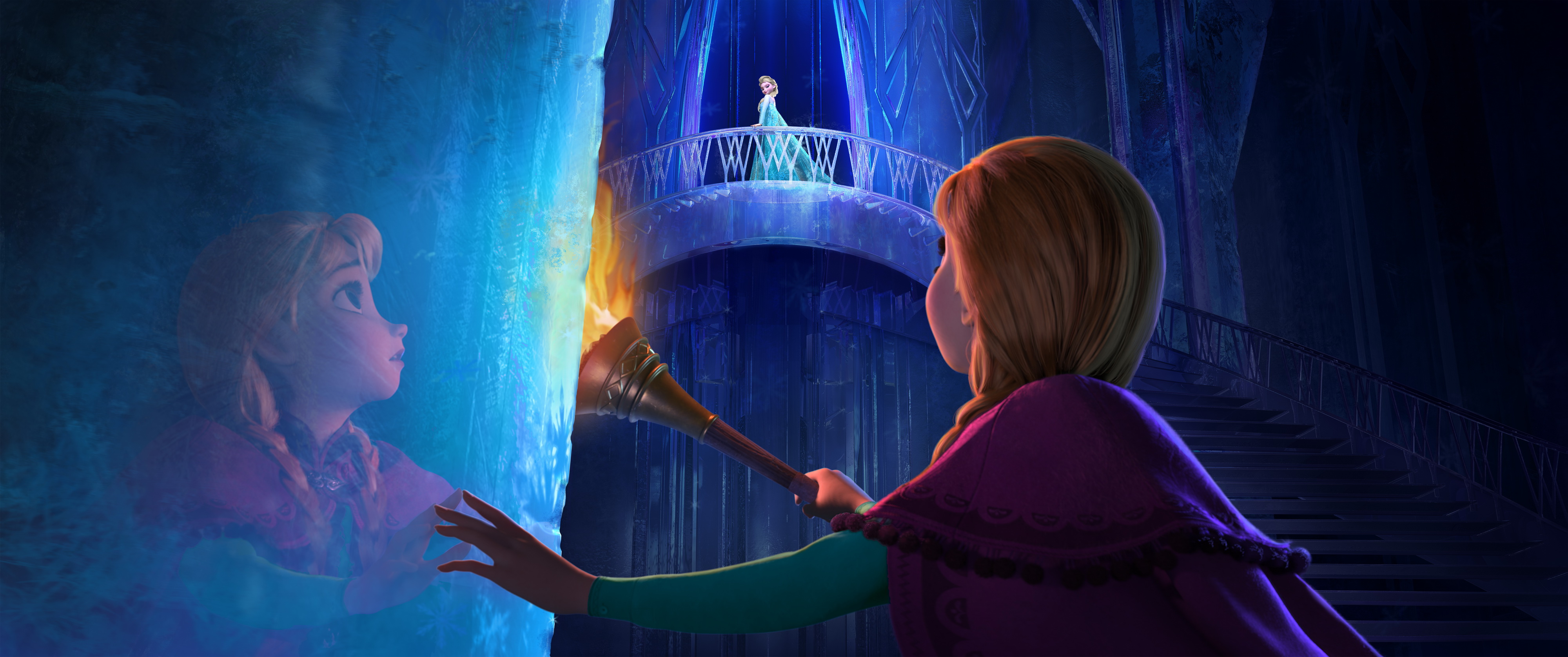
Loosely inspired by Hans Christian Anderson’s The Snow Queen, this is a story where villainy is less personified by a bad guy with a big production number, and more by misunderstanding, lack of trust, and overprotective parents who shield one child at the expense of another.  Born with the power to create ice and snow, Elsa is the eldest princess and heir to the throne of Arendelle.  Her parents, worried what that power might do to her little sister, Anna, encourage Elsa to hide her powers away, to control them–and in doing so, isolating her from them, her sister, and even their kingdom.  Ultimately, though, it isolates Elsa from herself, creating a young woman full of uncertainty and fear.

On the day of her coronation as queen, Elsa is pushed too far by the well-meaning, but naive Anna, who has never understood why her sister has been so standoffish for so many years.  She loses control, unleashing her icy gift on her own people.  In fear for them and for herself, she runs to the North, where she unwittingly unleashes an eternal winter that threatens to destroy the very kingdom she has just sworn to protect.  Determined to make things right, Anna sets off after her, and the story takes off.

"FROZEN" (Pictured) ELSA. ©2013 Disney. All Rights Reserved.

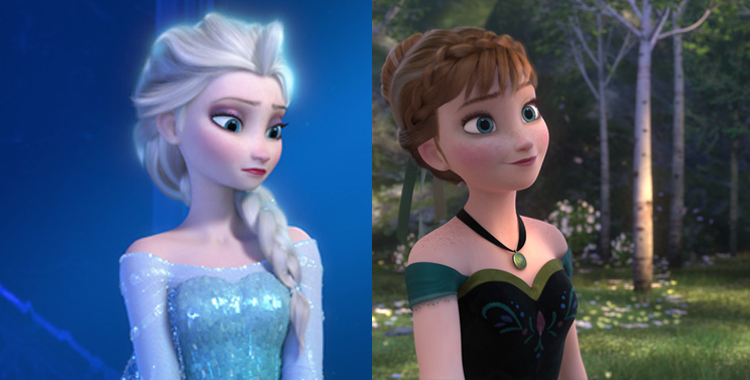
Beautifully animated and designed, Frozen is a testimony to the power of the Disney look that was ushered in by Glenn Keane and Ariel in The Little Mermaid in 1989.  Since then, there has been an agreed-upon “look” for Disney’s heroes and heroines, and that is not lost in Frozen.  Although there is a slight “Disney family” resemblance between the two heroines of this film and Rapunzel in Tangled, that is the only similarity.  Unlike the previous film’s naive but spunky lost princess, both Anna and Elsa are two young woman who know what they want out of life, yet have competing ways of achieving their dreams.  And unlike nearly every Disney princess, ever, Anna and Elsa are complete in themselves.  These are two young women that I would love either of my two daughters to aspire to be like.

"FROZEN" (L-R) KRISTOFF and ANNA. ©2013 Disney. All Rights Reserved.

These are spelled out–or better said, sung out–in several simply outstanding musical numbers that help form the best complete score to a Disney animated musical since 1992, with Howard Ashman and Alan Menken’s songs for Beauty and the Beast.  In that film, every song was a winner and helped further the story to its heart-wrenching conclusion.  And while there have been many great Disney musical films since, on the whole, they have not been this good.

The songs, by husband and wife team Robert Lopez and Kristen Anderson-Lopez, are uniformly excellent, and form a cohesive story that moves the film along, adds dimension and life to the characters, and helps the audience understand their hopes, dreams, and motivations.  From “Do You Want to Build a Snowman?” which shows the two sisters growing apart to “For the First Time in Forever,” in which Anna exults in the future and finally open doors of her life, to Elsa’s showstopping “Let It Go” and a hilarious, well-intentioned tribute to the warmest season with “In Summer,” there is not a bad song in the bunch.  There’s not one but two great love songs, several songs inspired by the Norwegian-based setting–and one of the best songs is a silly throwaway number about the smells of reindeer and people.  It’s the best collection of songs in one Disney film in the first time for, well, forever, and the composers deserve a multiplicity of awards both now and in the future for creating truly musical songs.

Anna & Elsa

Voice acting is top notch across the board, with Kristen Bell (better known as Veronica Mars) surprising with a clear and warm singing voice as well as excellent comedic timing.  Idina Menzel (best known as Broadway’s Wicked Elphaba) does not surprise when she belts out her big song, but what does surprise is that I completely forgot that the woman best known for “Defying Gravity” doesn’t make one think of her previously most famous role.  She is Elsa, and she brings warmth and vulnerability to a character that is thought to be villainous for much of the film.  The two male leads, an ice vendor named Kristoff and a prince named Hans, are both well played–and with many laughs–by Jonathan Groff and Santino Fontana.

Olaf and Gang

But the biggest surprise is Josh Gad’s performance (and the winning animators who drew him) as Olaf, a snowman who is friendly, completely naive, a little crazy, and deeply in love with summertime and all things and places warm.  In the pantheon of great Disney sidekicks, Olaf is right up there with the greatest: Dopey, Jiminy Cricket, Jaq & Gus, Timon or Pumbaa.  It’s not just because he’s funny (although Gad’s delivery is quite funny and his song will definitely leave audiences laughing), but because he is funny and has heart.  When he decides to help Anna reconcile with Elsa, it could literally destroy him–and yet, as he says, “Some people are worth melting for.”

FROZEN

This is a story with an act of true love–although what it is might surprise you.  It has a few big set pieces like a race across a frozen fjord or when Elsa creates her ice palace.  Christophe Beck’s instrumental score hits the right note with hints of Norwegian folk and choral music highlighting passages and bringing great depth and life to the story.  There is a very big twist toward the final act that will probably surprise you as much as it surprised the audience we previewed the film with, which is why I do not recommend reading any storybooks based on the film, or anyone who blogs too much information about the film or its characters.  The twist sets the stage for the third act, and the film is that much more powerful because of it.

Co-directed by Chris Buck, who has very long pedigree with Disney (including Tarzan, The Fox and the Hound, The Rescuers Down Under, and Pocahontas), and Jennifer Lee, who most recently wrote Wreck-It-RalphFrozen is an unexpected and altogether wonderful film.  The trailers for the movie do not do it justice, which shows that Disney’s marketing department doesn’t trust its product.  From the one-word title to the lack of any mention of its musical pedigree (until a final trailer said “…since The Lion King” which is a bad comparison, since its true heritage is the far superior Beauty and the Beast), it looks like a typical animated family film that you will forget after you throw away the popcorn container.

Frozen is unforgettable.  If you’re like me, when it’s over, you won’t be able to leave the theater.  Which is okay, because you may have just watched the beginning of the next great golden age of Disney animation.  For the first time in forever, Disney has produced a film that is practically perfect from start to finish.

Get a Horse

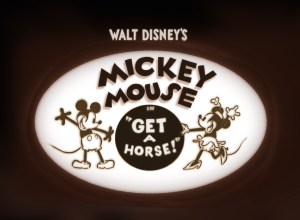
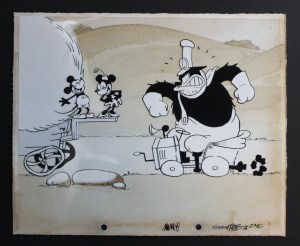
But it opens with something even more unforgettable.  An eight minute tour-de-force of animation inspired by the earliest Mickey Mouse cartoons, Get a Horse.  Again, like Frozen, I don’t want to give too much away.  It needs to surprise you, for in that surprise you will be delighted, you’ll laugh, and you’ll realize why Disney remains the place where animated films should be made.  Featuring hand-drawn animation, the original 1920’s Disney voice cast (including Walt himself as Mickey), and–again, a huge twist that turns the film completely upside down-Get a Horse is  the best 85th birthday Disney can give to the Head Mouse.

GET A HORSE!

One final note.  Every film these days seems to open in 3D.  99% of those films don’t really add anything except cost.

Frozen and Get a Horse are simply stunning in 3D.  From snowflakes to carrots to jalopies to flying horses, I’ve not seen anything fully capture the power of what 3D can add to a film until now.  I highly recommend catching the films in 3D if you can.

Time Matters

Time

Teach us to number our days, that we may gain a heart of wisdom.
(Psalm 90:12, NIV)

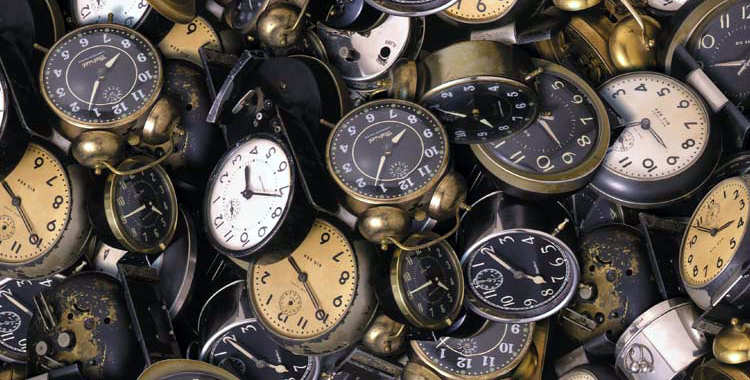
In the seconds it takes you to read these sentence, time you will never get back is gone. Whether we like it or not, time slips quickly through our fingertips and the moment you thought you had to spend has vanished into memory.  Wrist-watch time doesn’t pause and give you time to think about what to do with it. It simply moves the hands of the clock forward, ever forward, asking you,
“What are you going to do with me?”

This fall, I’ve been relentlessly pursuing the fact that time matters.
The time I have spent on my phone.
The time I have spent watching television.
The time I have spent reading a book.
The time I have spent writing a sentence.
The time I have spent teaching or playing or
driving or yelling or praying or worshiping.
Every single moment in time matters.

And while what I do with my time matters at my job, or with my friends, or with my dreams, nothing matters more than the time I have with my children. It’s very short.  From birth to high school graduation is less than 1,000 weeks. As much as I’d like it to be longer, it won’t be.  I can’t lengthen it.  I can only strengthen it.

In the next few weeks, two of my children will celebrate birthdays.
We’ll celebrate Thanksgiving and Christmas.
And a New Year will begin.
Week after week will pass into memory.
And time will ask, “What have you done with me?”

Time matters.

I was reminded of this in a heart-wrenching way yesterday when a family friend lost her 16 year old son in a car accident.  One moment he had kissed his mom goodbye and was on his way to school. The next moment he was gone.  Out of wrist-watch time and into eternity.

Time matters.
What will you do with it?

You have a limited number of weeks with your kids.
And it may be even more limited than you realize.
The clock will keep ticking.
Time will move on.

And you will be tired.
And you won’t have enough money.
And you’ll want some “alone time.”
And.
And.
And.
Time will move on.

And one day, they won’t ask anymore.
They won’t ask you to dance.
They won’t ask you to snuggle.
They won’t ask you to pray with them or play with them or read to them or watch a movie with them.

Because one day, they will be gone.
And you’ll ask time, “What did I do with you?”

Time matters.

Sorry, Pilgrims, Thanksgiving Isn’t About You.

Pilgrims

Forget “Black Friday” sales or pumpkin pie or mashed potatoes.

Thanksgiving isn’t about them.

Forget the Pilgrims or the Plymouth Rock or the Wampanoags or Squanto.

It isn’t about them either.

At least it wasn’t in 1863, when Thanksgiving Day, as we know it now, first came to be.

Abraham Lincoln wasn’t thinking about starched collars or big feasts when he set the precedent for this national holiday.  He was thinking about a nation at war.  He was thinking about economic trials and debt that could cripple the welfare of every individual.

He was thinking about families ripped apart by ideological differences.  He was thinking about a country where half of the nation wanted one thing–and the other half wanted something else.  When he made his Thanksgiving Day proclamation on October 3, 1863, he was thinking of a country very much like the one in which we find ourselves today.

He recognized that yes, the country was in a big mess.  But in spite of that, “order has been maintained, the laws have been respected and obeyed, and harmony has prevailed.”  He realized that he was not responsible for any of that.  It wasn’t his presidency or policies.  As Lincoln wrote,

No human counsel has devised nor has any mortal hand worked out these great things.  They are gracious gifts of the Most High God, who, while dealing with us in anger for our sins, has nevertheless remembered mercy.

Just as the original Thanksgiving was celebrated because of God’s providence for a great harvest, Lincoln instituted the first national day of Thanksgiving to celebrate God’s providence and care for His creation.

So forget the Mayflower, and turkey, and parades.  That’s not what Thanksgiving is all about.Resist the stores suggesting you need to spend the day shopping.  Forget the grocery store circulars with pictures of roasting turkey.  There are many things competing for your thoughts that fourth Thursday of November.  I would venture to say that 99% of them aren’t what Thanksgiving is really all about.

It has seemed to me fit and proper that God’s gifts should be solemnly, reverently, and gratefully acknowledged as with one heart and one voice by the whole American People.

On this Thanksgiving Day, forget the Pilgrims, the sales, the commercials. Forget the Mayflower, turkey, mashed potatoes and gravy.

It’s not about them, it’s about being thankful that in spite of whatever may be wrong, there is still so much right.  That whatever small bit of good there is in your life is there as a gift from God.

So instead of giving cranberry sauce, give thanks.

Thoughts After the Wedding

Katey & Blaine

I had the privilege of officiating at a wedding yesterday.

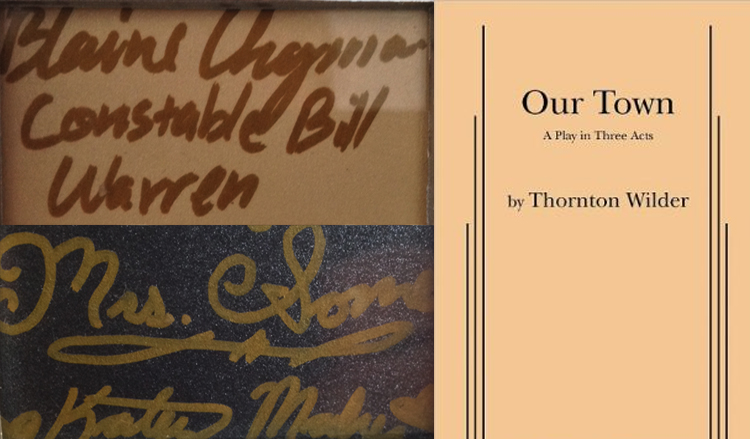
I’ve done a few weddings since becoming a pastor, but this one was extra special.  I’d known the bride and groom since high school.  I was the drama teacher where both of them were students.  In fact, I’d cast them both in the classic play by Thornton Wilder, Our Town.  I never would have guessed that one day, I’d be at their wedding.

I spent a lot of time on what I wanted to say to them.

Sadly, it wasn’t until I got home and thought some more, after the wedding, that I realized: advice for Katey and Blaine was all over the play they’d first met in.  One thing that is especially awesome, poignant, and beautiful about Wilder’s play is that although it is now considered a “classic,” the timelessness of its wisdom can still connect to us today.

So, here are a few thoughts, after the wedding, from Our Town:

1.  Travel.  

“Only it seems to me that once in your life before you die you ought to see a country where they don’t talk English and don’t even want to.”

2.  Do Things Together.  

“People are meant to go through life two by two.  ‘Taint natural to be lonesome.”

3.  You Don’t Have All the Time in the World.

“That’s what it was to be alive.  To move about in a cloud of ignorance; to go up and down trampling on the feelings of those about you.  To spend and waste time as though you had a million years.”

4.  Take Time to Rest.

“There are the stars–doing their old, old crisccross journeys in the sky.  Scholars haven’t settled the matter yet, but they seem to think there are no living beings out there.  Just chalk…or fire.  Only this one is straining away, straining all the time to make something of itself.  Strain’s so bad that every sixteen hours everybody lies down and gets a rest.”

5.  Value Each Other.  Value Others.

“Everybody knows in their bones that something is eternal, and that something has to do with human beings.  All the greatest people who ever lived have been telling us that for five thousand years, and yet you’d be surprised how people are always losing hold of it.  There’s something way down deep that’s eternal about every human being.”

6.  You’re the Only Ones Who Can Live Your Life.

“So I took the opposite of my father’s advice and I’ve been happy ever since.  And let that be a lesson to you, George, never ask advice on personal matters.”

7.  There are Better Things Than an Education.

“I think that once you’ve found a person that you’re very fond of . . . I mean a person who’s fond of you, too, and likes you enough to be interested in your character. . . . Well, I think that’s just as important as college is, and even more so. That’s what I think.”

8.  Remember How You Feel Today.  (Because You Won’t Always Feel That Way.)

“I want you to try and remember what it was like to have been very young.  And particularly the days when you were first in love; when you were like a person sleepwalking, and you didn’t quite see the street you were in, and didn’t quite hear everything that was said to you.  You’re just a little bit crazy. Will you remember that, please?”

9.  The Most Wonderful Things Aren’t the Most Expensive Things.

“Good-bye, good-bye world.  Good-bye, Grover’s Corners…Mama and Papa.  Good-bye to clocks ticking…and Mama’s sunflowers.  And food and coffee.  And new-ironed dresses and hot baths…and sleeping and waking up.  Oh, earth, you’re too wonderful for anybody to realize you!”

10.  Live Every Moment.  Every, Every Minute.

“Does anyone ever realize life while they live it…every, every minute?  No.  Saints and poets maybe.  They do, some.”

There you have it, Katey and Blaine.  10 life lessons from the play in which you first met.  Parting words from your former teacher and director.  Loving reminders from your friend.

Now go out there and realize life while you live it!

This is Halloween

Halloween.

There’s a lot of feelings Christians have about this holiday.

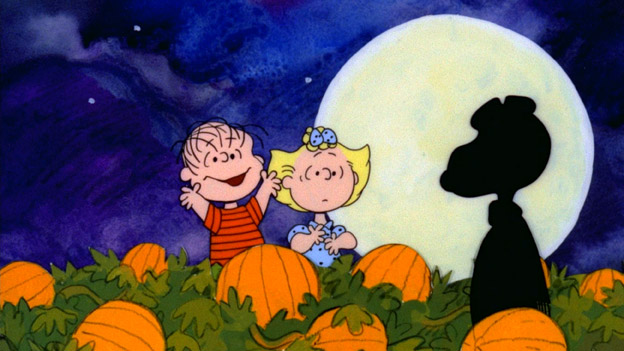
Snoopy Rises Out of the Pumpkin Patch

I grew up going trick-or-treating, and only stopped because we moved and my parents weren’t sure of the neighborhood.  We always decorated the house with Halloween decorations, still had Halloween parties, and even enjoyed It’s the Great Pumpkin, Charlie Brown, ever year.  My family didn’t really view October 31st as anything but a lot of fun–and my parents were missionaries.

boo_01

I also went to a Christian school growing up and have very vivid memories of a chapel presentation on the evils of Halloween and how I needed to never look at jack-o’lantern–to “beware the eyes of blazing fire!!!!”  We couldn’t talk about Halloween, were never allowed to discuss our costumes, and every year somebody would give us a scary tract to hand out to kids.  I don’t remember why, but I remember to watch out for those eyes of blazing fire!!!!!

I have vivid memories of a few years ago when I took my kids trick-or-treating in my parents’ neighborhood.  The front porch was dark except for a single light.  And a sign on the door said, “We don’t celebrate Halloween.  Come back at Christmas.”

So I get it.  In Christian families and circles, it’s one of  “those subjects,” like Harry Potter or Disneyland or Santa Claus.

However I feel about it personally, as a children’s pastor, I have to face it every year.  And I have to ask, what’s our church going to do about Halloween?

don’t mean “about” the holiday itself.  Most of the children’s pastors I know aren’t actively boycotting it or protesting it or tweeting about the dangers of walking into one of those “Spirit Halloween Stores” that pop up in odd locations this time of year, regardless of how they feel about it.  The question they are asking is whether or not they will do some sort of Halloween “alternative” for families.

Knowing how I grew up, you’re probably not surprised that the first Halloween that I was the Children & Family Pastor at New Life, I decided to create a big event for families called Fallapalooza!  It had all the trappings of the traditional church non-Halloween event.  We had lots of haybales, buggy rides, pumpkins, scarecrows, and candy.

But in my mind, I always referred to it as “our non-Halloween Halloween event.”

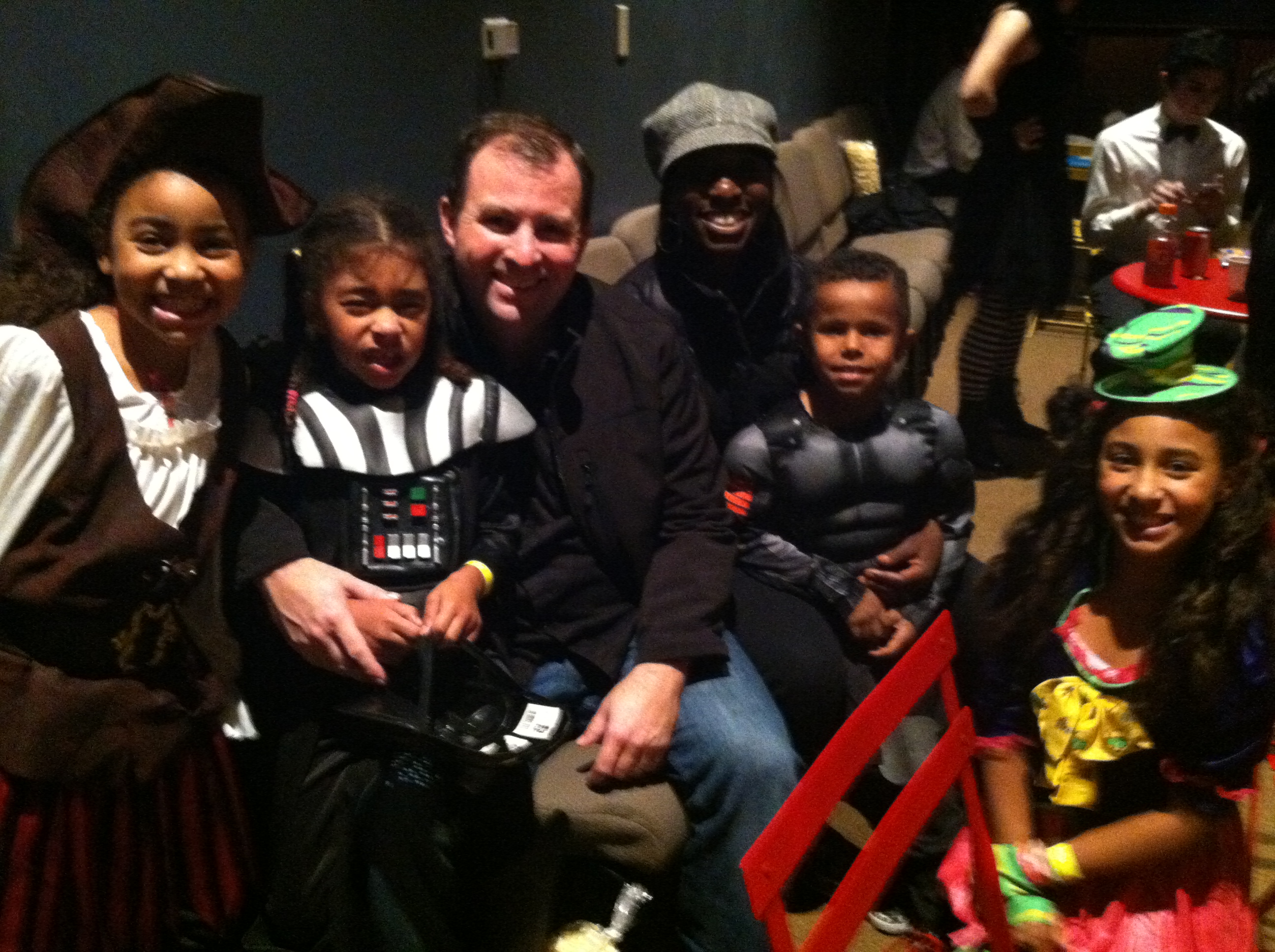
Fallapalooza 2012

My point was, if you don’t like Halloween, great!  We want you there!  Bring a friend!  Have a blast!  And, if you love Halloween, that’s great too!  We want you there!  Bring a friend!  Have a blast!

Why?

Walking around our Fallapalooza, we see exactly the target demographic we are trying to reach in our community: young families, young dads and moms, and their kids. And because we make it something that involves all the fun of Halloween, the people we want to encourage to invite non-churched friends with kids are doing just that.

We now have almost 2,000 parents and kids attending a big night that helps families enjoy being at church together.  We do a big show that incorporates worship, Bible teaching, sketch comedy, and a lot of laughs (and reinforces exactly what we’ve been talking about at our weekend gatherings).  We then send families out to use our whole campus for hayrides, food trucks, live bluegrass music, inflatables, costume contests, and more.

One of the biggest things I’ve come to realize is that Time Matters.  And one of the biggest mistakes churches can make is in not creating times for parents and kids to be together at church.  If the greatest gift you can give your child is the gift of your time, why not create moments (times) at church when families can experience laughter, God’s Word, candy, rides, worship, costumes, and a whole lot more?

We do it to create a sense of community for families, for parents and kids to create memories.  Our community (who may very well stay away from a Halloween “alternative” because of what it sounds like) shows up because their neighbors and friends don’t use that word–because we don’t use that word.  By saying it’s a “non-Halloween Halloween event” we gently upend the idea of an alternative and call it what it is.  (And seriously, is an alternative ever as good as the real thing?  Does sugar alternatives taste as good?  What about butter?  Or steak?  Alternatives are presented for really good reasons, but they really fall short of the awesomeness of the real thing.  And really, Halloween is the only holiday that churches create alternatives to.  We don’t do an alternative Arbor Day, or President’s Day or Easter…)

And these people in our community come back and check out what we actually do on the weekends.  And guess what?  What we do on the weekends is pretty much what we did during Fallapalooza!  Oh, we don’t do costumes or have hayrides every Sunday, but by exposing families to the way we teach kids and families the Bible, how we worship God with a lot of energy and excitement, they know that what the church showed them during the week is going to be the same thing they experience on the weekend.  There’s no bait-and-switch involved.

Fallapalooza 2012

So, here we are.  Halloween is nearly upon us.

We have lots of choices as parents and families.  As a children’s pastor, I’ve got a big one.  What are we going to do about this holiday?

I’m going to treat it like I treat every other holiday: as a time to show the world the love of Jesus.  As a time to show families that church is not a place where boring people go to die.  As a time to help kids and parents connect with each other in healthy (emotionally, not physically, since there is all that candy) ways.  As a time to help our families remember that that there is a community out there that needs to see the light of Jesus shine brightly.

One last thing.

Our Fallapalooza event is never scheduled on Halloween night.  Why?  Because there’s no better way to spend a holiday that some can view as dark than by being light.  Once our families invite their friends to experience the fun of Fallapalooza they can shine their light even further in their own neighborhoods.   If there’s one night when Christians should keep their porch lights on, their doors open, and the candy flowing, it’s this one.

Halloween’s coming.  What will you do about it?